
Article | 30 November 2025
Volume 12 Issue 2 pp. 506-519 • doi: 10.15627/jd.2025.30
Parametric Exploration of Natural Lighting and Visual Comfort in Contemporary Additions to Historic Buildings
Mihrimah Şenalp,1,* Erdem Köymen,2 Enes Yaşa,3 Mehmet Emin Başar1
Author affiliations
1 Department of Architecture, Konya Technical University, Konya, Turkey
2 Department of Interior Architecture, Istanbul Sabahattin Zaim University, Istanbul, Turkey
3 Department of Interior Architecture, Istanbul Technical University, Istanbul, Turkey
*Corresponding author.
msenalp@ktun.edu.tr (M. Şenalp)
erdemkoymen@gmail.com (E. Köymen)
enesyasa@yahoo.com (E. Yaşa)
mebasar@ktun.edu.tr (M. E. Başar)
History: Received 4 September 2025 | Revised 10 October 2025 | Accepted 18 October 2025 | Published online 30 November 2025
2383-8701/© 2025 The Author(s). Published by solarlits.com. This is an open access article distributed under the terms and conditions of the Creative Commons Attribution 4.0 License.
Citation: Mihrimah Şenalp, Erdem Köymen, Enes Yaşa, Mehmet Emin Başar, Parametric Exploration of Natural Lighting and Visual Comfort in Contemporary Additions to Historic Buildings, Journal of Daylighting, 12:2 (2025) 506-519. doi: 10.15627/jd.2025.30
Figures and tables
Abstract
The re-functioning of historical buildings frequently necessitates new additions. This is particularly relevant for historical buildings with open courtyards, where interventions often involve the installation of upper covers using contemporary materials and techniques This issue can become especially apparent in historical buildings that are completely enclosed with transparent materials, raising concerns about the greenhouse effect and its potential to compromise indoor comfort. In this context, the objective of this study is to develop a methodology and model to assessing and optimizing roof covering designs. The model consists of two phases. The first phase involves conducting a visual harmony analysis within the developed algorithm, using parametric model pattern alternatives created in Rhinoceros3D/Grasshopper3D. The second phase focuses on optimizing visual comfort parameters, including sDA, UDIuseful, UDIupper and DGP. The optimal pattern is determined by evaluating a variety property of transparent surfaces such as solar heat gain, light transmittance, and area using the Ladybug, Honeybee plugins. The options constitute via Colibri plugin. The case study chosen for this investigation is one of Mimar Sinan’s building in Istanbul. This choice is motivated by the increasing intervention of enclosed to open courtyards in madrasah buildings from this era. The construction system is proposed to use steel, with ETFE for the transparent surfaces. Consequently, the outcomes demonstrate the model is feasible for interventions.
Keywords
building physics, computer aided design, contemporary addition, courtyard covering, natural lighting, visual comfort
1. Introduction
Contemporary additions to historic buildings should be designed in harmony with the original structure, considering environmental and social factors to preserve integrity. Clear legal regulations are needed to ensure appropriate interventions, as inappropriate ones can damage the building and reduce its value. Evaluations should include energy, comfort, and daylight parameters alongside structural suitability.
Energy and daylight assessment metrics have generally been examined for new buildings in the literature [1-4]. However, limited studies have been conducted on building reuse applications [5], and only in recent years studies [6-8] have begun to explore the effects of cultural heritage reuse. Although there are a few studies [1-5, 9-20] on the impacts of contemporary additions on temperature, humidity, and thermal comfort in the context of microclimates in historical buildings, there is a notable lack of research on the effects of natural light and visual comfort. Most studies investigating the reuse of cultural heritage have focused on artificial light or energy consumption without considering daylight [7]. Furthermore, while studies have been conducted in the field of parametric design and daylight/visual comfort, there are few that address parametric design in historical buildings [21]. Therefore, it is crucial to study natural lighting and visual comfort in historical buildings, which is often neglected, within the context of parametric design.
Optimization has become central in architecture, with a growing emphasis on high-performance buildings where space and form configuration are crucial for energy efficiency and sustainability [22]. Optimization processes are generally used in new building design, with limited application in reuse and cultural heritage buildings. The analysis and decision-making processes in the reuse of cultural heritage are sensitive issues and have a wide range of limitations and considerations [23]. Additionally, optimization processes allow for the evaluation of numerous alternatives and the determination of the most optimal option in a short time for production processes that depend on multiple parameters. For this reason, the optimization process will be carried out within the scope of the study.
1.1. Research Aim
Aim of Research is to develop a methodology model for assessing and optimizing roof covering designs in historical buildings together with open courtyards, integrating aesthetic, visual comfort, and natural lighting considerations for sustainability and usage value of historical buildings with contemporary additions.
The methodological framework and building modeling approach applied in this research are based on the system developed within the dissertation titled “A Parametric Model Proposal Focused on Energy and Thermal Comfort for Courtyard Roof Design Scenarios in Historic Buildings”, completed by Mihrimah ŞENALP in 2025 at Konya Technical University.
While this study benefits from the modeling logic and parametric workflow established in that research, it does not derive from the dissertation itself. Instead, the adopted methods were reinterpreted and expanded to address a different dimension of environmental performance namely, visual comfort and natural daylighting.
Through this adaptation, the current study aims to demonstrate the flexibility of the original parametric framework and its potential applicability in other performance-based design analyses related to historical buildings.
By exploring daylight distribution and visual comfort conditions in various courtyard roof design scenarios, the research contributes to the broader understanding of how parametric design tools can support holistic environmental assessments beyond energy and thermal performance considerations.
1.2. Research background
1.2.1. Contemporary additions to historical buildings
During the re-functionalization and/or repair of historic buildings, new additions and interventions may be necessary. A common method involves enclosing open courtyards, integrating them into the building’s enclosed space. Additionally, contemporary additions often aim to enhance the building’s functionality while respecting its historical value.
This issue has been on the agenda since the conservation of historic buildings became a focus. section 8 of the Carta Del Restauro [24], the first legal declaration on conservation, stipulates that new additions must be clear and precise, without decoration, and use materials different from the original. The Venice Charter (1964) [25], outlined in sections 10 and 12, permits the use of modern techniques when traditional methods prove inadequate or for completing missing parts. It emphasizes maintaining aesthetic and historical integrity while ensuring a distinction from the original. Section 6d of the Charter for the Preservation of Quebec Heritage [26] states that contemporary additions should be integrated and harmonized with the surrounding context in terms of texture, full/void balance, and proportion. The conservation principles of the ICOMOS Traditional Architectural Heritage Charter [27] and Article 22 of the Burra Charter [28], another important declaration, assert that contemporary interventions should respect the cultural value and overall character of the existing building.
Conserving and reusing historical buildings is essential for sustaining cultural heritage and reducing construction costs. Although legal regulations focus on the aesthetic and structural integrity of additions, the impact on the indoor microclimate is often neglected. This is particularly problematic in fully enclosed historical buildings with transparent materials, where the greenhouse effect can undermine indoor comfort.
1.2.2. Parametric design, daylighting and visual comfort
Parametric design is a design method in which the relationships between design elements are represented by parameters, allowing for the creation of complex geometries that are influenced by these parameters and can be reformulated or modified afterwards [29,30]. This modification process can be executed quickly and simultaneously by linking the model elements through an algorithmic relationship. Otherwise, the process becomes iterative and time-consuming when dealing with a complex model [29,31,32].
Parametric design generally involves four main steps: defining initial data and parameters, converting these into an algorithm, generating variations based on this algorithm, and selecting the most appropriate option [33]. This method enables parametric design to integrate data, facilitate design decisions, modeling, and problem-solving, and provide optimal solutions for building design by analyzing the effects of daylight [30,34]. For example, optimizing interior lighting conditions by adjusting shading patterns during the design stages enhances daylight quality [35] and helps to prevent time loss. Recently, methodologies incorporating parametric modeling tools and optimization algorithms have become popular techniques in building performance [36,37].
In sustainable architectural design, common strategies for passive energy conservation include building massing techniques such as atriums and courtyards [38]. Two crucial design parameters that directly influence the daylighting performance of buildings are windows and skylights. Skylights, which are horizontal transparent elements, are preferred for illuminating larger interior spaces, such as commercial buildings and enclosed courtyards. Determining the optimal shape or material for a skylight is challenging, as it is highly dependent on the environmental and contextual conditions of the site [34]. Optimizing the daylight performance of flat roof windows while preserving their authenticity is important for maintaining cultural heritage value [23]. Therefore, flat roof applications will be included in the scope of this study.
Comfort is a complex perception shaped by objective and subjective stimuli. Visual comfort is assessed through human senses and is influenced by factors such as visual acuity, perception, spatial configuration, and the adaptability of the space to occupant activities [39]. Daylight and direct solar access positively impact occupant comfort, health, and productivity [40,41].
To provide visual comfort in terms of daylight, the building envelope serving as the interface between the interior space and the external environment plays a crucial role. Design measures must be implemented to prevent negative outcomes such as excessive radiation and glare, and to ensure appropriate illumination levels based on the function of the space [31]. Achieving design feasibility and occupant visual comfort requires balancing variables such as the sun's height and intensity. This balance aims to minimize glare effects at the table level while ensuring adequate and evenly distributed daylight access [42]. In the past two decades, research on establishing reliable metrics for assessing visual comfort has predominantly focused on glare and light intensity. The European standard EN 12665 defines visual comfort as ‘subjective visual well-being induced by the visual environment’ [43].
Glare is a phenomenon that causes visual discomfort due to excessive brightness from artificial or natural light [44]. In lighting design, glare is a primary source of visual discomfort. It can occur when the light intensity reaching the observer's eyes is excessively high or when there is a significant variation in luminance within the observer’s visual field. Glare resulting from excessive contrast in a specific area can cause symptoms such as itching or stinging in the eyes [39]. As many factors influence daylight and visual comfort, it is preferable to analyze glare and daylight metrics together rather than focusing on a single metric.
2. Materials and methods
In the context of this research, a model has been developed to address the main issue of designing new additions to historic buildings and optimizing their effects (Fig. 1). Considering the historical and cultural significance of these structures, constraints related to the additions have been previously outlined. Since the model involves cultural heritage, it is crucial to examine the relationship with the existing structure within the framework of conservation principles. Therefore, the model is designed to be executed in two phases: one focusing on architectural compatibility and the other on daylight and visual comfort. The study has been conducted through simulations, and, as it is based on parametric design research, the widely used Rhinoceros/Grasshopper software was selected and utilized in conjunction with various plugins, including Firefly, Bitmap, Colibri, TT Toolbox, and Ladybug/Honeybee.
Figure 1
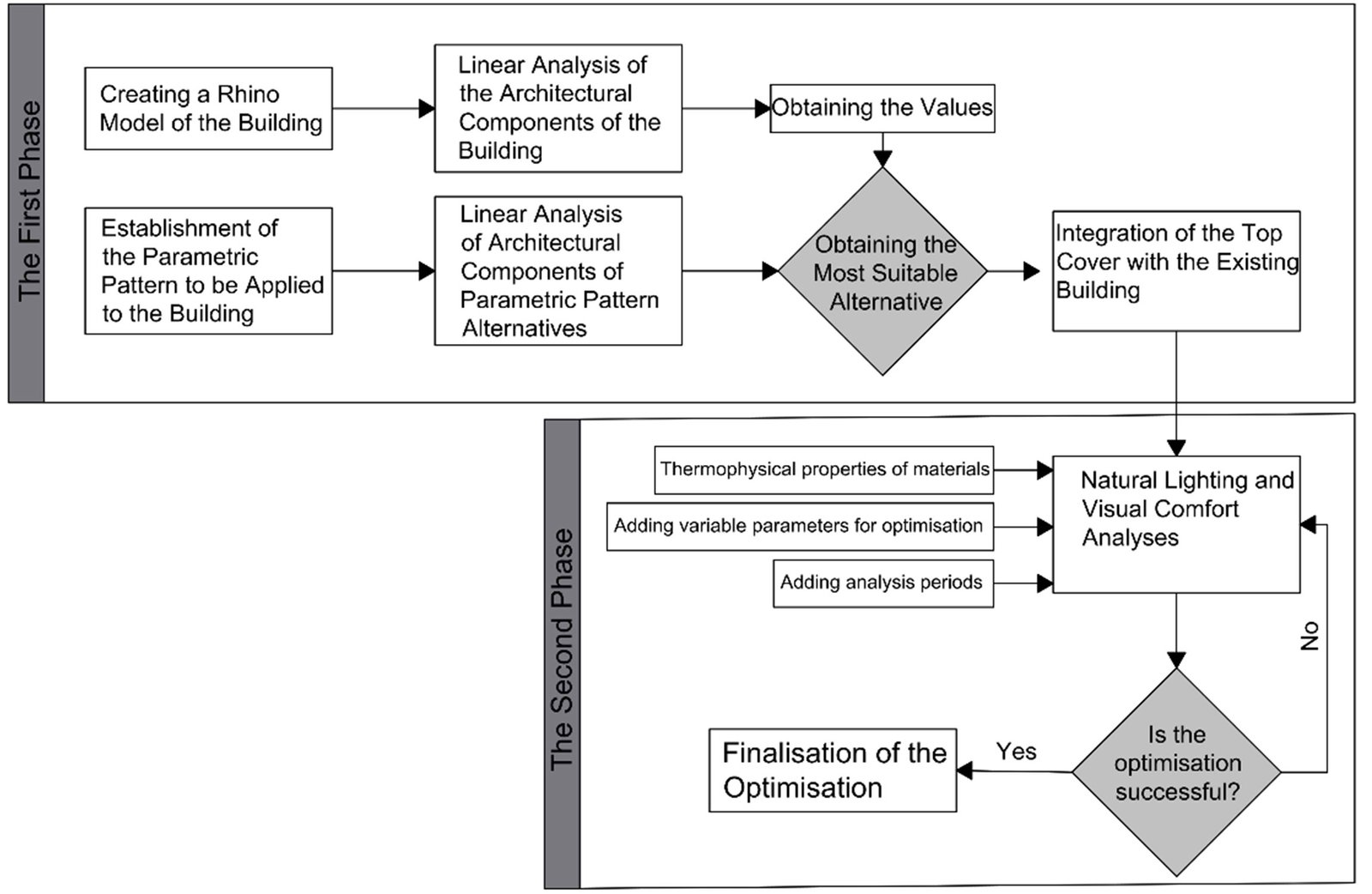
Fig. 1.Research model diagram.
Many studies [45-57] explore translating aesthetic harmony into multi-parametric, complex mathematical data, including human perception. This study uses a numerical method to measure linearity and balance, aiming to achieve linear harmony with the existing structure. For this purpose, perceptual linear analysis software from photographs, developed by Tekin et al. [58] for Rhinoceros3D Grasshopper, is adapted to analyze the 3D model of the structure and used in the first stage of the model (Fig. 2). This algorithm converts the photograph into a linear format, then classifies these lines as horizontal, vertical, and diagonal to mathematically express human perception. The main purpose is to search for linear harmony between the new addition and the architectural components of the existing historic building. Thus, the method is followed for the visual harmony of the new cover to be developed with the historical building.
Figure 2
![Line Analysis Model Flow Diagram [58].](figures/12-506-2.jpg)
Fig. 2.Line Analysis Model Flow Diagram [58].
Subsequently, within the scope of the second stage, attractive points are constructed in the best alternatives concerning linear harmony. Based on these points and the curve parameters created with them, alternatives for natural lighting and visual comfort is extracted according to changes in surface light transmittance and solar heat gain coefficient values in the material determined for the study. Thus, by evaluating linear harmony, natural lighting, and visual comfort values, the optimal roof cover is selected.
2.1. Limitations and assumptions
To better understand and conduct the study, several limitations and assumptions have been established. Firstly, the case study building where the model is tested is located in Istanbul, a city within Csa climate zone according to Köppen Map.
The climate data used for the simulation is obtained from [59]. Additionally, the study ignored the topography and ground roughness in the immediate vicinity of the building, and analyses is conducted based on a traditional pattern. The proposed top cover is determined to be flat, with the material specified as a two layers ETFE and steel carrier system.
For lighting analyses and visual comfort, visual comfort and natural lighting is evaluated using the sDA, UDIuseful, UDIupper, and DGP indices mentioned above. In this context, the following thresholds are accepted: DGP should be less than 0.35 for acceptable glare comfort, UDIuseful should be between 100 and 2000 lx with a minimum of %35, UDIupper should be %50 or below, and sDA should be at least 75%.
2.2. Daylighting and visual comfort metrics
Visual comfort is influenced by numerous factors, and existing metrics typically assess only one factor at a time. Consequently, no single index can fully represent the complexity of a visual environment. Therefore, building designers should approach visual comfort factors as a multi-objective optimization problem to effectively optimize the visual comfort of users [44].
In the comparative analysis of DA and DF conducted within the study, it was determined that DA is a more applicable daylight performance index than DF [60,61]. The DA index, initially proposed by the Swiss Electrical Union in 1989, has been further developed to measure the percentage of hours exposed to daylight. The sDA, an enhanced version of DA, assesses whether the selected and analyzed area receives an adequate amount of daylight according to standards established throughout the year [62]. Both DA and sDA are metrics used to evaluate daylight sufficiency. However, while DA assesses whether a workspace meets daylight requirements for 50% of the year [63], sDA performs a spatial measurement to provide this assessment [64]. Consequently, sDA has been chosen as one of the metrics for this study. Another metric, UDI, indicates daylight sufficiency and visual comfort by eliminating values above the upper limit that may cause visual discomfort. Thus, UDI is deemed a suitable indicator of daylight performance compared to other daylight metrics [65,66] and has been included as one of the evaluation metrics for the study. Additionally, glare indices will be considered. Among these, the DGP metric, an enhanced version of the DGI developed and refined by Hopkinson [67], will be utilized to assess the various activities of its occupants.
2.2.1. sDA
Spatial Daylight Autonomy (sDA) measures the percentage of an area that meets minimum daylight levels during a specific portion of the year’s operating hours, evaluating the adequacy of annual average daylight in indoor environments [44]. sDA is assessed annually and indicates the percentage of a space’s surface area that receives sufficient daylight during working hours. This value is calculated virtually through simulations rather than through physical measurements. In this process, the floor area of the space is considered and divided into grids. If at least 50% of the floor area meets the specified lux level during working hours, it is considered adequate, with sDA values between 55% and 74% classified as ‘normal’, and values of 75% and above categorized as ‘preferred’ [62,67]. According to the EN12464 [68] standard, this value is set at 500 lux for educational facilities, classrooms, and auditoriums. The calculation model for sDA is provided below [ ]:
2.2.2. UDI
Useful Daylight Illuminance (UDI) is defined as the proportion of time within a year during which the horizontal daylight illumination at a specific point in an indoor environment falls within a certain range [44]. UDI not only provides information about useful daylight illumination levels but also offers insight into the frequency of excessively high daylight levels that can cause discomfort (e.g., glare) and unwanted solar gains for occupants [65].
UDI represents the ratio of the number of hours in a year during which daylight falls within the useful range to the total number of occupied hours in the year. The goal of UDI is to identify daylight levels that are neither too dark nor too bright. UDI is typically evaluated using three metrics: The useful illumination range is between 100 lux and 2000 lux. Illumination below 100 lux is considered too dark, while illumination above 2000 lux is regarded as too bright [69-71]. The UDI calculation formula is provided in Eq. (2) [44].
2.2.3. DGP
The concept of Daylight Glare Probability (DGP) was introduced in 2006 by Jan Wienold from the Fraunhofer Institute for Solar Energy Systems and Jens Christoffersen from the Danish Building Research Institute. DGP assesses the overall brightness of the field of view and the effects of glare and contrast. It indicates not only the proportion of individuals experiencing visual discomfort but also requires an additional measurement based on the observer's field of view to accurately determine glare risk.
This measurement is categorized into levels such as imperceptible glare , perceptible glare , disturbing glare , and intolerable glare [72]. DGP demonstrates a strong correlation with the user’s perception of glare [73]. Among various metrics, DGP is considered the most suitable method for addressing absolute glare issues [74]. The general form of the DGP equation is logical and adequate, and it can be adjusted to accommodate different conditions [75]. The calculation for DGP used in the analysis is provided below [44]:
2.3. Material of ETFE
The case study building discussed in this research employs ETFE (ethylene tetrafluoroethylene) as the material for the roof covering of the open courtyard. ETFE, which is partially crystalline, is used in various applications, including transparent roof coverings and curtain wall systems [76,77]. It is a fully recyclable material and is lighter than glass [77]. Transparent and translucent ETFE foils have been used in architecture since the early 1980s and significantly impact energy demand and indoor comfort [76]. Compared to polyethylene films, ETFE are characterized by superior thermal stability, high permeability [78,79], colorability, good corrosion resistance, durability, and light weight [79]. ETFE foil systems act as pneumatic structures, where air pressure maintains the foil’s tension, ensures its structural stability and endure external forces, such as wind and snow loads [80]. Additionally, ETFE provides thermal insulation at a lower cost and with less structural support compared to glass [81]. When compared to glass for courtyard roof covering, the ETFE model performs better in terms of microclimatic conditions [2]. Compared to other polymer materials, ETFE is more resistant to external factors such as acids, bases, and solvents [82]. As mentioned, the properties of ETFE can vary depending on its use in different layers and fritted structures (Table 1).
Table 1
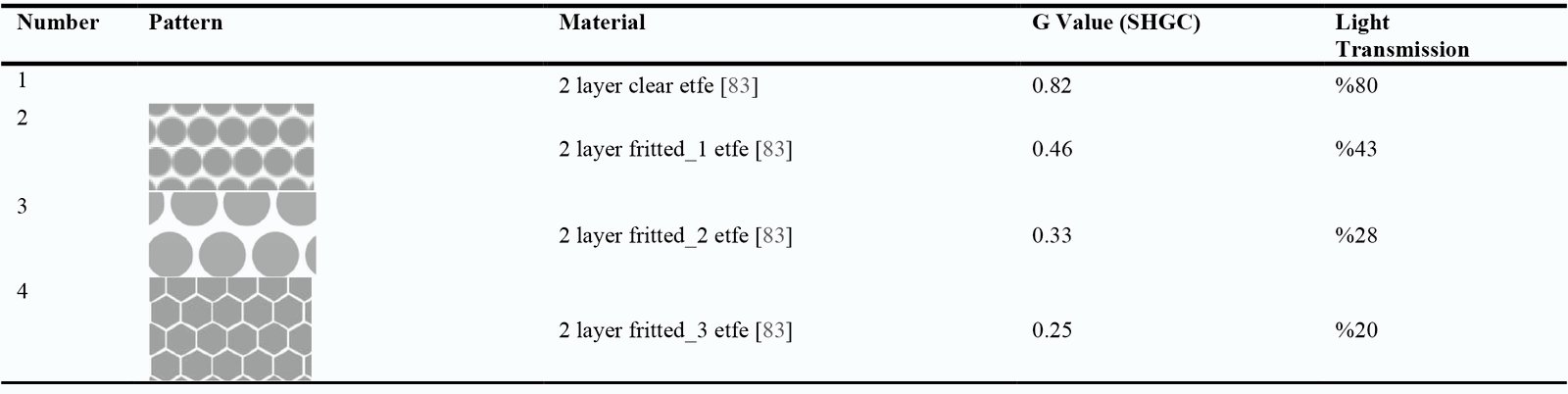
Table 1. Material properties used.
The preference for ETFE over glass in historic buildings is due to its lighter weight, superior light transmission, better thermal insulation, and greater tear resistance due to its flexibility [83]. This study has utilized ETFE for analysis, as it is considered a more advantageous and efficient material.
2.4. Case study
The case building was selected from Ottoman-period madrasahs of the 16th and 17th centuries, where courtyard closures are more prevalent today. In making this selection, the buildings were categorized based on their climatic region, materials used, and stylistic features. The Şehzade Mehmet Madrasah in Istanbul (Fig. 3) was chosen for detailed examination due to its representative characteristics. This madrasah is part of the complex that includes the mosque of the same name, which was designed by Mimar Sinan and is regarded as his apprenticeship work. It holds significant value in classical Ottoman architecture, as it fully embodies the architectural approaches of that period.
Figure 3
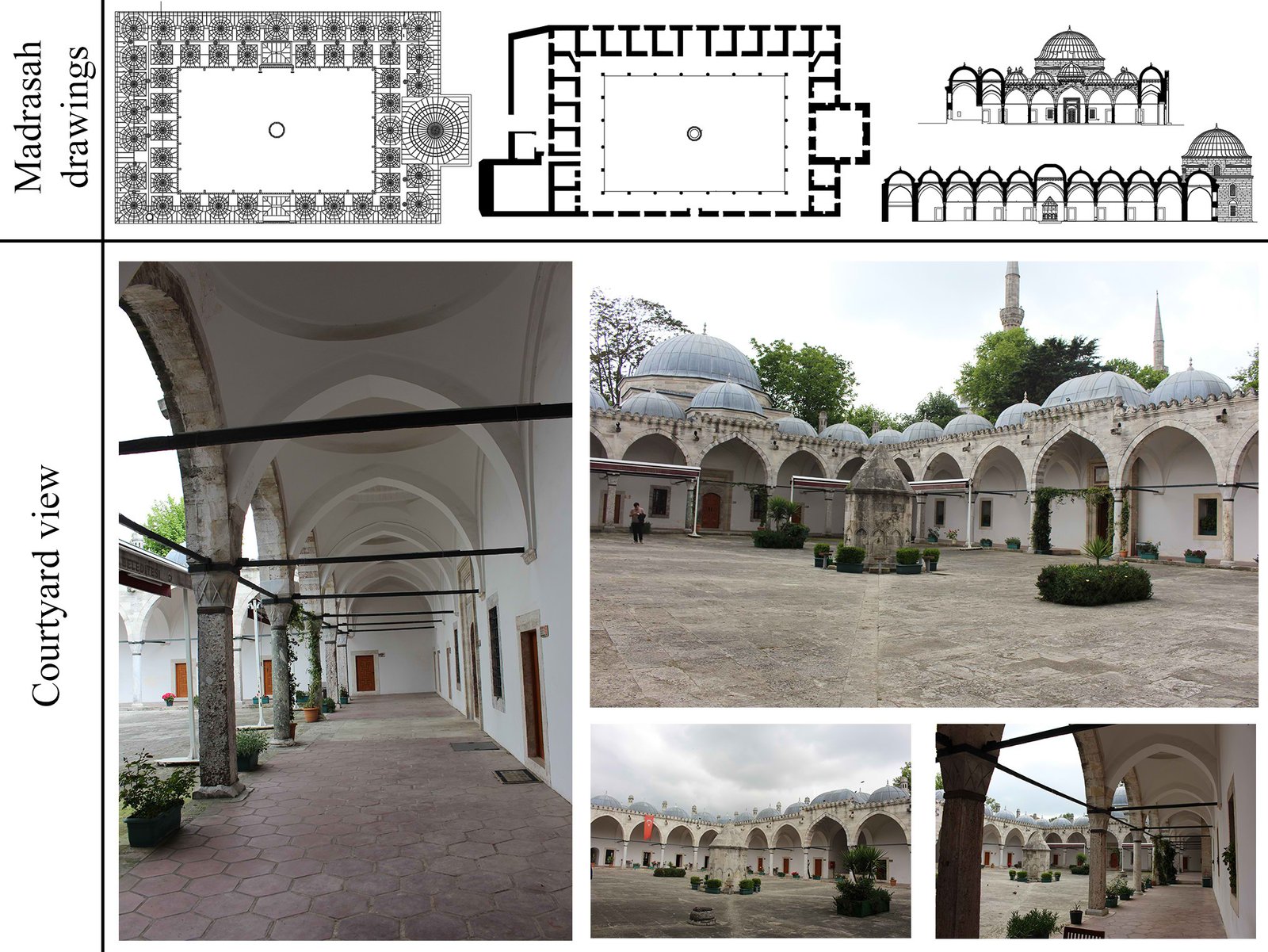
Fig. 3.Şehzade mehmet madrasah.
The Şehzade Mehmet Madrasah, located in Istanbul, Turkey, features a U-plan layout with a mosque section, an iwan, cell rooms with a portico, and an open courtyard. Currently used as an association institution, the building incorporates kufeki cut stone, rubble stone, brick, and horasan mortar. During the last restoration in 2012, the building elements were removed, and necessary repairs and maintenance were carried out.
As aforementioned, since this study involves a historic building of cultural significance, the simulation model is divided into two phases: the first phase involves determining the form of the pattern, and the second phase involves analyzing natural lighting and visual comfort. After defining the new pattern and the parameters for daylight and visual comfort, the simulation model was developed and analyzed using Rhinoceros/Grasshopper, along with the various plugins mentioned earlier.
2.5.1. The first phase
The first phase of the study model focuses on establishing linear harmony between the existing design language and the new addition. Initially, a Rhinoceros3D model of the historic building is created. To determine the linear values of architectural components categorized as horizontal, vertical, and diagonal from photographs, a previously developed linear harmony algorithm [58] is adapted for this study. This algorithm is used to perform mathematical calculations on the 3D model of the existing building (Fig. 4).
Figure 4
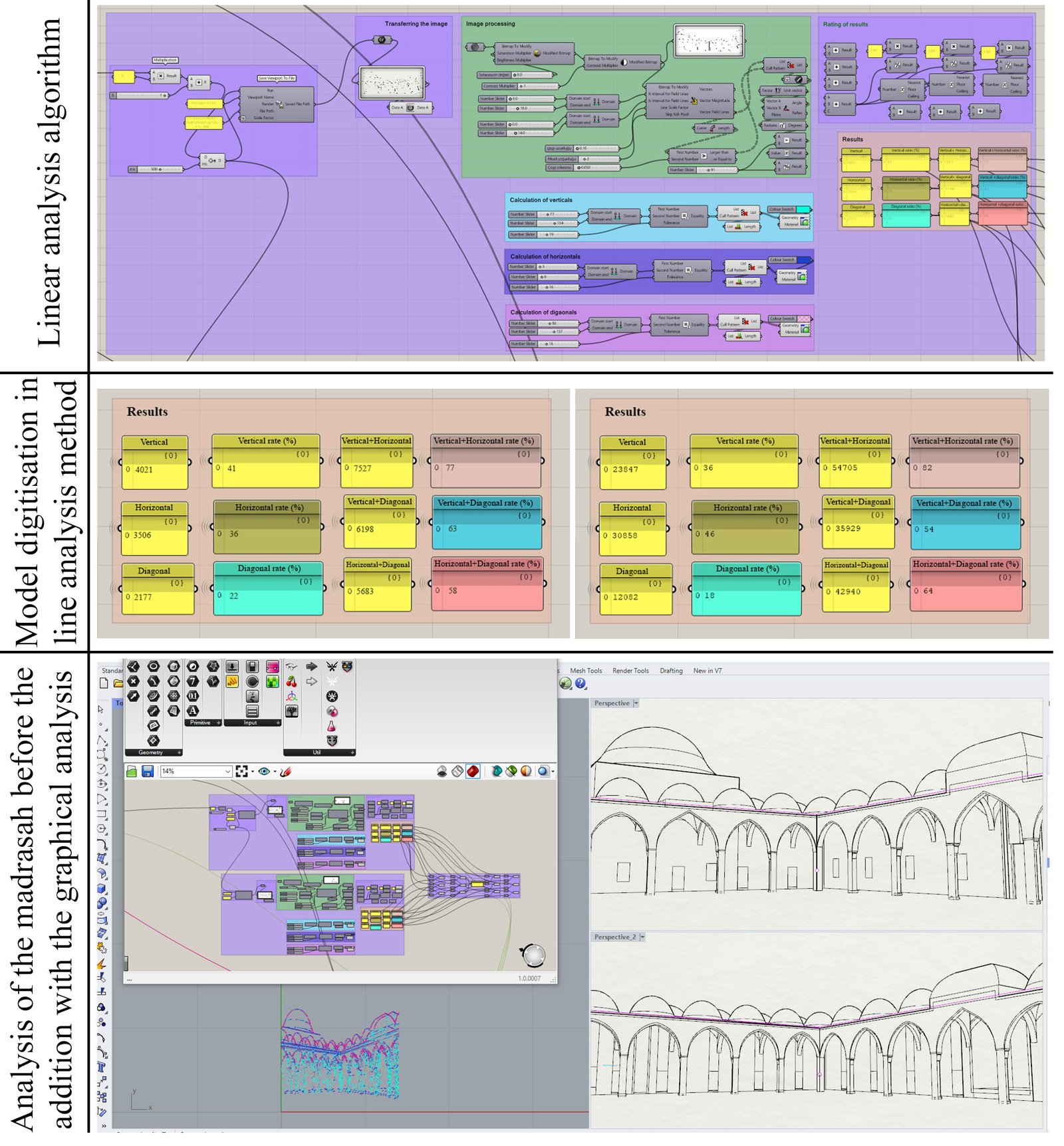
Fig. 4.First phase algorithm.
This algorithm transforms the photograph into a linear format, subsequently classifying these lines as horizontal, vertical, and diagonal to mathematically represent human perception. The primary objective is to achieve linear harmony between the new addition and the existing historic building. Thus, this stage addresses the significant issue of integrating the new addition with the historic structure. During the adaptation process, the software was reconfigured to perform analyses from the model and conduct linear analysis from two perspective points. Additionally, the Rhinoceros3D model used for capturing the image was set to pen mode to ensure accurate line analysis. and all alternatives were analyzed linearly using Colibri from the same perspective points. Since an Ottoman-period structure was selected for this study, a traditional pattern was examined.
All alternative patterns were analyzed using Colibri from the selected perspective points and exported in CSV format. The linear analysis results were used to determine the compatibility of the new addition with the existing structure in terms of horizontal, vertical, and diagonal lines. Subsequently, the desired pattern was parametrized, and a parametric model was created. The building model and the new addition were integrated. Thus, the first phase for the linear harmony between the historic building and the new cover has been completed. In the second phase, daylight and visual comfort optimization was performed.
2.5.2. The second phase
Within the scope of the study, an optimization study was conducted according to the indices specified in the context of illumination. In the second stage, alternatives were generated using the Colibri plugin, and the best variation was determined. The analyses were performed with the Ladybug/Honeybee plugin. Therefore, the structure was first modeled as a Honeybee model, and its thermophysical properties were added to the model. Sensor points for the analyses were placed at 1-meter intervals and positioned at a height of 85 cm (Fig. 5).
Figure 5
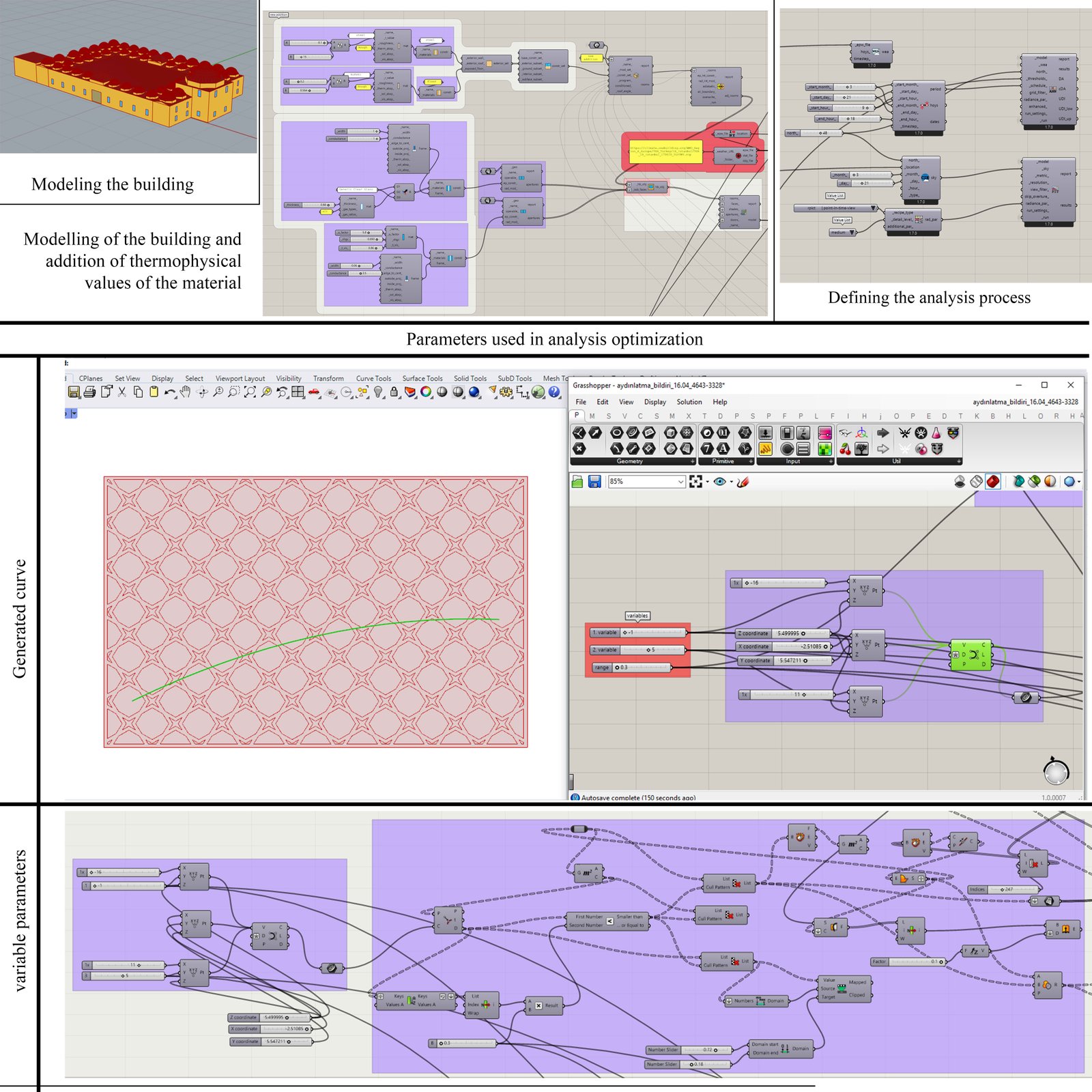
Fig. 5.Second phase algorithm.
The values of the materials used in the study are given in Table 1. Within the scope of daylight and visual comfort analyses, sDA, UDIuseful, UDIupper, and DGP values were examined and a comparative analysis was conducted. The sDA and UDI metrics were calculated for each day of the week between 9:00 and 18:00, representing typical annual working hours, while the DGP values were specifically examined at 12:00 on March 21, corresponding to the spring equinox. This specific time was selected to provide a standardized reference point for assessing glare under balanced solar altitude and daylight conditions, ensuring consistency with widely accepted simulation practices in daylighting studies.
In the second stage, it was planned to change the properties of the ETFE surfaces used according to a curve formed by three points with fixed x-coordinates. One of these points is fixed at the center point on the pattern alternative from the first stage. The domain parameters (Table 2) formed by this curve would be used to carry out an optimization process accordingly.
Table 2
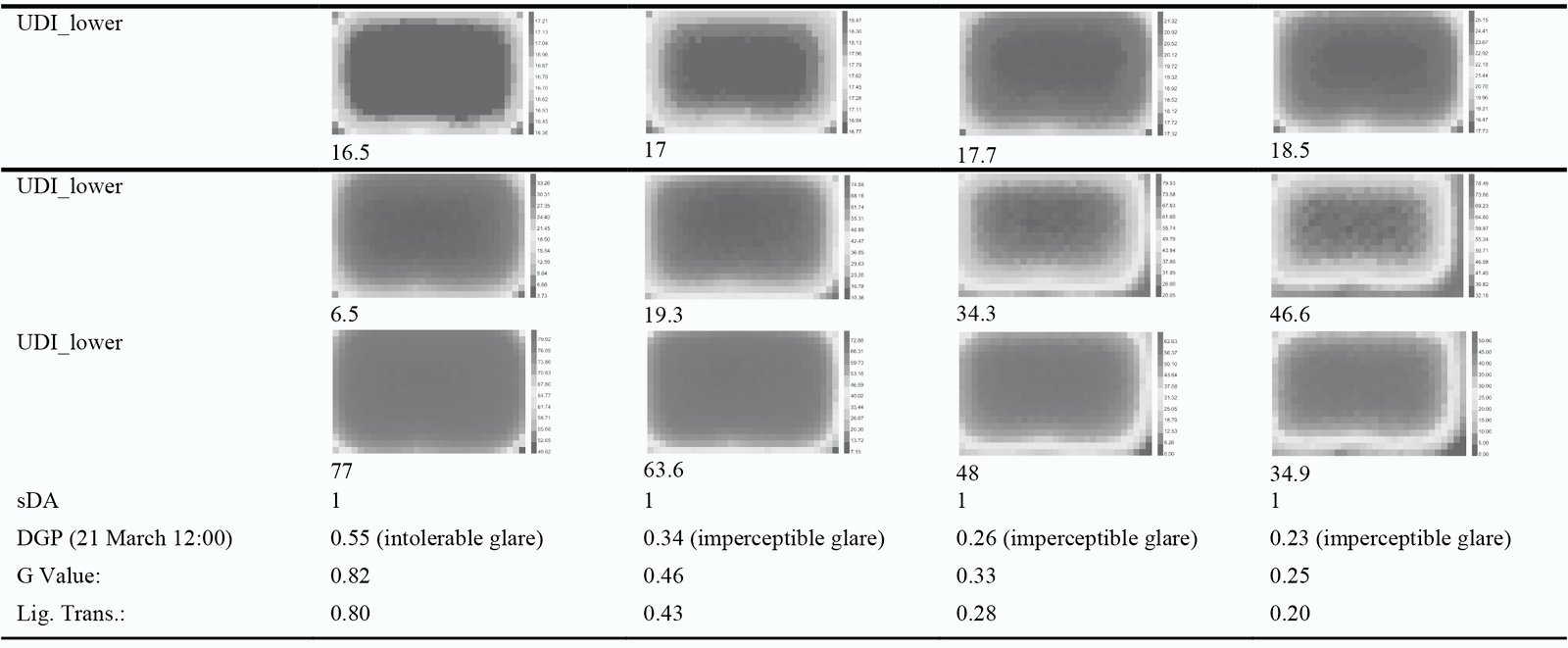
Table 2. Consequences of covering the entire top cover with the same material.
The study involved optimization using three different ETFE materials. As stated by Wang et al. [84] the optimization results can show remarkable improvements by determining the optimal shape of the courtyards. After completing the analysis and algorithm creation phase, the analysis and optimization process was initiated. According to the variable parameters used in the analysis, all alternative options were obtained in CSV format using Colibri, and subsequent analyses were conducted. The points, excluding the center point, are moving at intervals of 1 meter.
3. Numerical analysis
In the first phase, a total of 529 pattern alternatives were parametrically generated, and the most compatible pattern alternative in the linear context was selected for the second stage based on the values obtained. The generation of these alternatives was achieved through the parametric model developed in Grasshopper, which systematically produced variations according to predefined design rules. As a result of three different analyses performed according to the parameters determined in the second stage, a total of 960 different alternatives were formed. the analyzed values for the original building in question were obtained as %43 for horizontal lines, %42.5 for vertical lines, and 14.5% for diagonal lines.
Specifically, the alternative selected for the second phase exhibited a distribution of 54% horizontal lines, %31 vertical lines, and 15% diagonal lines (Fig. 6). This distribution indicates that the majority of lines in the new addition are compatible with the dominant horizontal elements of the historic building. Therefore, this pattern alternative was identified as the most suitable based on the linear harmony criteria.
Figure 6
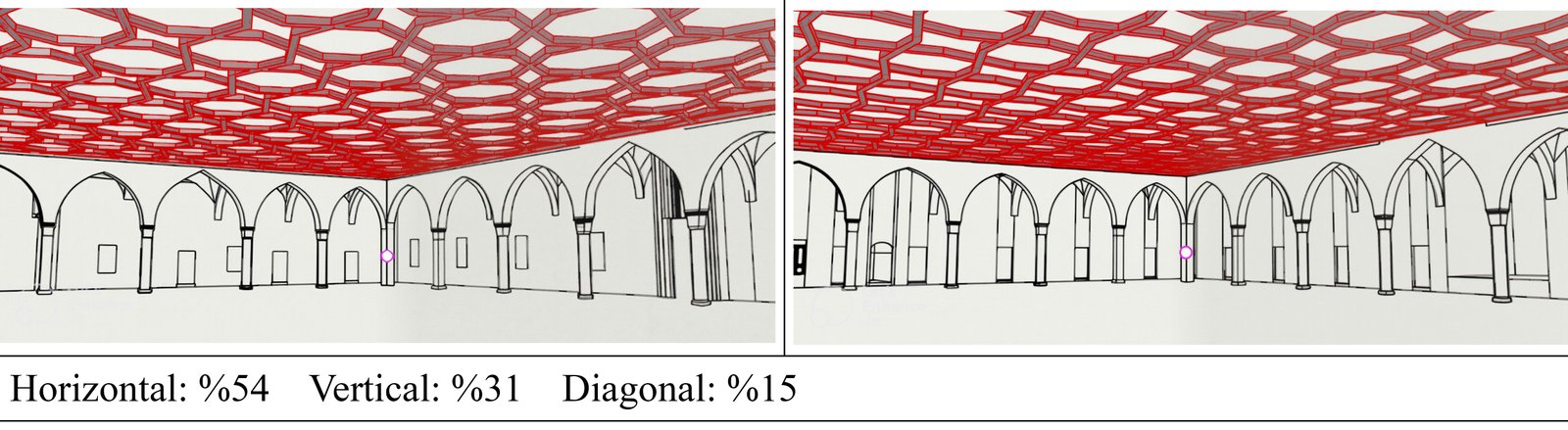
Fig. 6.Selected pattern alternatives and linear values.
Within the scope of the second phase, in the optimization processes of ETFE materials, pairings of 2 Layer Fritted_1 and 2 Layer Fritted_2, 2 Layer Clear and 2 Layer Fritted_2, and 2 Layer Clear and 2 Layer Fritted_3 were made. Analysis studies were conducted with the principle that the material with high light transmission and SHGC value would cover a larger area. In addition to this optimization, daylight and visual comfort analyses of these materials were also performed, revealing that fritted materials produced better results even when used alone (Table 2).
4. Results and discussion
According to the applied methodology, as a result, it was recommended to use fritted materials in combination with clear materials to avoid obstructing the view of the sky. Furthermore, the evaluation of using two types of fritted materials together indicated that combining clear materials with fritted materials having lower permeability would yield better results.
In the analysis of 2 Layer Fritted_1 and 2 Layer Fritted_2 materials combined, the sDA value was 75% or higher across all options. It was observed that no UDIuseful value exceeded 32%, and no UDIupper value was below 47%. Additionally, there were 41 different UDIuseful options above 35% and 77 options with UDIupper values below 50%. When analyzing the DGP metric, it was found that 299 alternatives had a DGP value of 35% or below. Based on these analyses, a total of 41 alternatives were identified as conforming to the constraints and deemed feasible (Fig. 7). The analysis of UDIuseful, UDIupper, and DGP values for these feasible alternatives revealed similar results, indicating that UDIuseful is the primary metric for alternative identification.
Figure 7
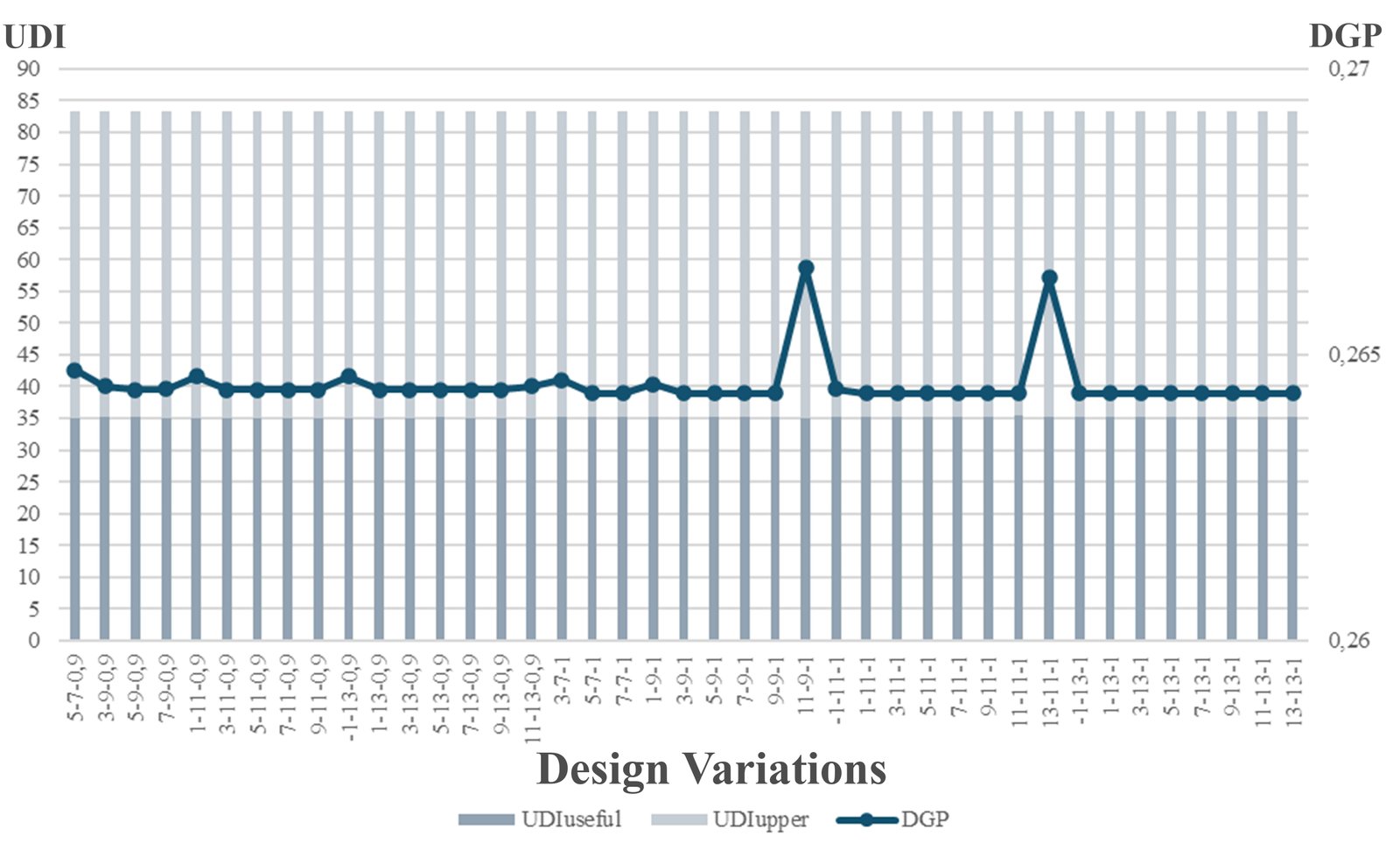
Fig. 7.Results of 2 Layer Fritted_1 and 2 Layer Fritted_2 analyses with appropriate values.
When examining the results of the 2 Layer clear and 2 Layer Fritted_2 materials used together, it is observed that the sDA value is 75% or higher across all options. The UDIuseful values are 36.5% or higher, while UDIupper values are below 45%. There are 40 options with a UDIuseful value of 35% or above and 48 options with a UDIupper value below 50%. For the DGP metric, 199 options were found to have values below 35%. Based on these analyses, it can be concluded that a total of 40 alternatives meet the constraints and are feasible (Fig. 8). Analysis of the UDIuseful, UDIupper, and DGP values for these feasible alternatives shows similar results, indicating that UDIuseful is the primary metric for identifying viable alternatives.
Figure 8
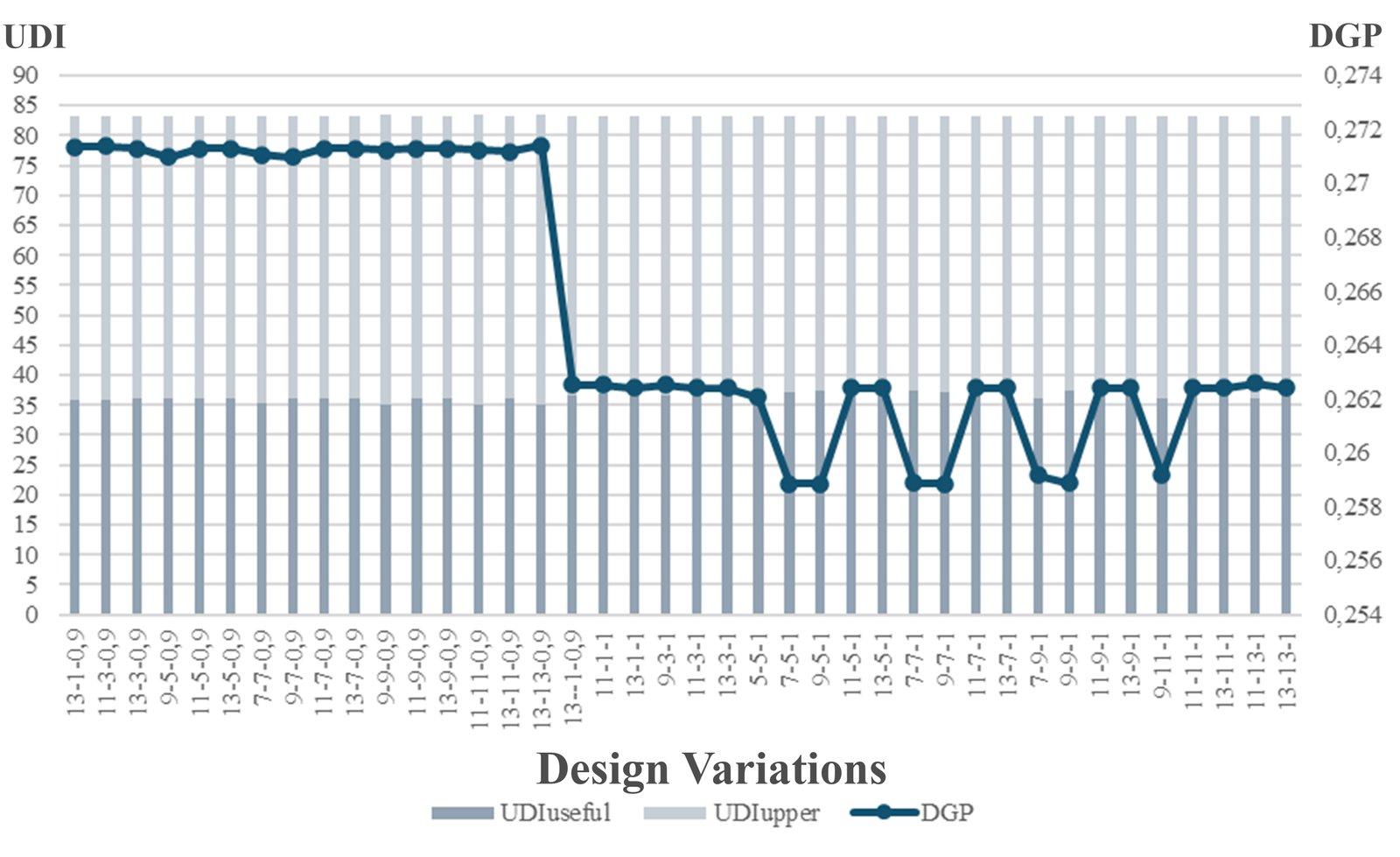
Fig. 8.2 Layer clear and 2 Layer Fritted_2 results of the appropriate values in the analysis.
When examining the results for the combination of 2 Layer clear and 2 Layer Fritted_3 materials, it is observed that the sDA value is 75% or higher in all options. However, there are no UDIuseful values of 48% or above, and no UDIupper values of 33% or above. There are 118 options with a UDIuseful value of 35% or above, and 129 options with a UDIupper value below 50%. For the DGP metric, 105 options were found to be below 35%. Analysis of the UDIuseful, UDIupper, and DGP values for the feasible alternatives shows varying results. As a result of these analyses, a total of 109 alternatives were deemed feasible (Fig. 9).
Figure 9
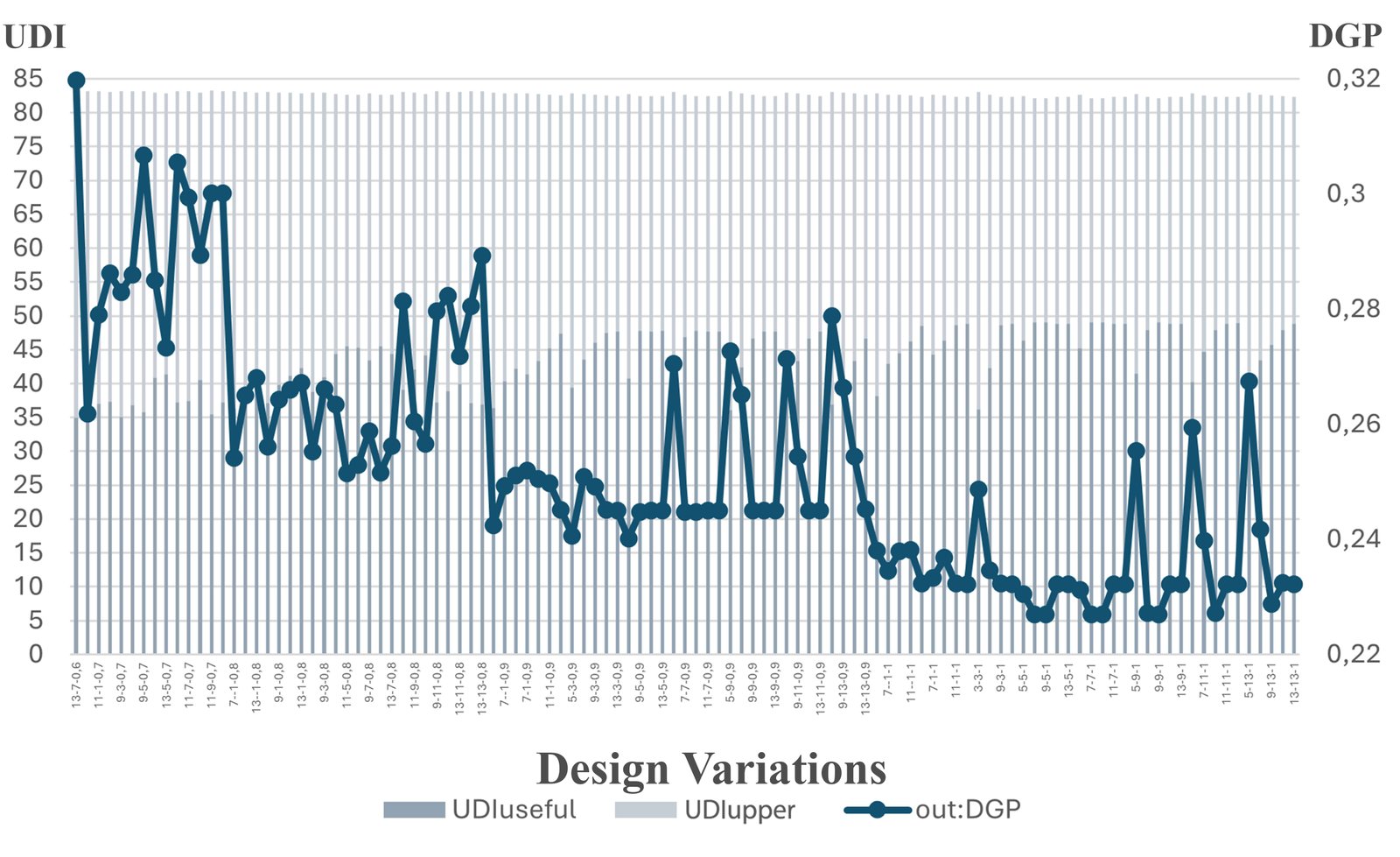
Fig. 9.Results of 2 Layer clear and 2 Layer Fritted_3 analyses with appropriate values.
As a result, in the three separate analyses, the sDA value was 75% or higher for each alternative. Thus, the UDIuseful, UDIupper, and DGP metrics were used as the basis for optimization. Considering these values, the combinations of 2 Layer clear with 2 Layer Fritted_3 and 2 Layer clear with 2 Layer Fritted_2 demonstrated similar results for suitable alternatives. In contrast, no similarity was found between the values in the 2 Layer Fritted_1 and 2 Layer Fritted_2 analysis. Additionally, while the UDIupper value was very high across all analyses, it was a restrictive factor in two of the analyses other than 2 Layer clear and 2 Layer Fritted_3. In the latter, the UDIuseful value was restrictive. The DGP value showed greater variability in the 2 Layer clear and 2 Layer Fritted_3 analyses compared to the other two analyses.
5. Conclusion
This study focuses on daylight and visual comfort issues that may arise in restoration projects, considering both visual qualities and the load-bearing system. For practitioners, it is crucial to take into account behaviors related to daylight and visual comfort parameters and to facilitate their designs accordingly.
In this analysis, In the analyses, the sDA value was generally found to be ideal, UDIupper was identified as a limiting metric and finally, no correlation was found between DGP and UDI. DGP values consistently showed parallel results within each analysis and were key determining indices. The UDIuseful value was generally low, while the UDIupper value was high. It was concluded that the UDI value was the primary determinant metric for selecting a suitable alternative. This is likely because the top of the area is considered to be entirely transparent except for the flat and load-bearing sections. The graphs of the suitable alternatives based on the obtained results are provided above. Ultimately, the best results were achieved using a combination of 2 Layer clear and 2 Layer Fritted_3 materials in the context of the examined metrics.
The method developed in this study enables designers and restoration practitioners to efficiently generate a wide range of alternatives, to identify both predictable and unpredictable outcomes with greater clarity, and to minimize potential financial losses in the design process. By employing a parametric approach, architectural compatibility, daylight performance, and visual comfort could be assessed in an integrated framework, thereby addressing the initial objective of the research.
The findings demonstrated that the sDA values were consistently within the acceptable range, while the DGP metric was a key determinant in evaluating visual comfort. Although UDIuseful values tended to be relatively low and UDIupper values relatively high, the optimization of material combinations particularly the use of two-layer clear ETFE combined with two-layer fritted ETFE provided the most favorable balance among the evaluated metrics. These results confirm that the proposed methodology can support decision-making processes for courtyard enclosures in historic buildings. The metrics examined in this study were sufficient to obtain reliable results without leading to excessive analysis times. Nevertheless, it should be acknowledged that further analyses and the inclusion of additional parameters may enhance the precision of the outcomes, albeit at the cost of increased computational effort.
Future research will extend the current work in several directions. First, it is planned to investigate scenarios where certain parts of the roof are made completely opaque, in order to evaluate the implications for daylighting and harmony with historic structures. Second, studies will be undertaken to assess not only daylight and visual comfort but also energy efficiency and thermal comfort, thereby providing a more holistic evaluation of performance. Finally, the applicability of the proposed methodology in different climatic regions and with alternative material systems will be explored, which may broaden its relevance for conservation-oriented architectural design.
Funding
This research received no external funding.
Contributions
M. Şenalp oversaw the study and was involved in conceptualization, methodology design, data curation, investigation, and drafting the original manuscript. E. Köymen provided guidance in supervision, conceptualization, and methodology development. E. Yaşa contributed to the review and editing of the manuscript and assisted in supervision. M.E. Başar participated in reviewing and editing the manuscript and supported supervision activities. All authors reviewed and approved the final version of the manuscript.
Declaration of competing interest
The authors declare no conflict of interest.
References
- E. Diz-Mellado, et al., Applied machine learning algorithms for courtyards thermal patterns accurate prediction, Mathematics, 9:10 (2021) 1142. https://doi.org/10.3390/math9101142
- J. Gaspari, et al., A Simplified Algorithm to Predict Indoor Microclimate in Case of Courtyard Covering: A Case Study for the Courtyard of Palazzo Poggi in Bologna, Eng, 1:2 (2020) 222-239. https://doi.org/10.3390/eng1020015
- K. Fabbri, M. Pretelli, A. Bonora, The study of historical indoor microclimate (HIM) to contribute towards heritage buildings preservation, Heritage, 2:3 (2019) 2287-2297. https://doi.org/10.3390/heritage2030140
- K. Fabbri, et al., Villa La Petraia (Florence) UNESCO World Heritage. Historic Indoor Microclimate of the Heritage Buildings: A Guideline for Professionals who care for Heritage Buildings, Springer: Cham, Switzerland, 2018, pp. 185-222. https://doi.org/10.1007/978-3-319-60343-8_9
- A.A.P. Latorre, The Influence of Courtyards Thermal Comfort Study in Bogotá, Colombia, M.Sc. Thesis, Illinois Institute of Technology, Chicago, IL, USA, 2017.
- F. Nocera, et al., Daylight Performance of Classrooms in a Mediterranean School Heritage Building, Sustainability, 10:10 (2018) 15. https://doi.org/10.3390/su10103705
- M. Marzouk, M. ElSharkawy, A. Eissa, Optimizing thermal and visual efficiency using parametric configuration of skylights in heritage buildings, Journal of Building Engineering, 31 (2020) 101385. https://doi.org/10.1016/j.jobe.2020.101385
- N. Sonmez, A.C. Kunduraci, Enhancing Daylight Availability in Historical Buildings through Tubular Daylight Guidance Systems: A Simulation-Based Study, Light & Engineering, 31:6 (2023) 139. https://doi.org/10.33383/2023-053
- S.M. Al-Saleh, W.W. Al-Azhari, Reviving Courtyard Concept Using Electrochromic Glazing System in Residential Building - The Case of Amman City, International Journal of Civil Engineering and Technology (IJCIET), 10:2 (2019) 874-889.
- A. Almhafdy, et al., Courtyard design variants and microclimate performance, Procedia - Social and Behavioral Sciences, 101 (2013) 170-180. https://doi.org/10.1016/j.sbspro.2013.07.190
- M. Asefi, S. Valadi, E.E. Salari, A Novel Design for a Retractable Roof with Rigid Panels for Small-Scale Spaces, International Journal of Architectural Engineering & Urban Planning, 23:2 (2013) 113-120.
- A. Čaušević, N. Rustempašić, A. Salihbegović, Restoring Wooden Structural Elements and Transparent Structures: Protection and Rehabilitation of Bosnian-Herzegovinian Medieval Fortifications, Procedia Engineering, 161 (2016) 1211-1219. https://doi.org/10.1016/j.proeng.2016.08.544
- A. Causevic, A. Salihbegovic, N. Rustempasic, Integrating New Structures with Historical Constructions - A Transparent Roof Structure above the Centrally Designed Atrium, in: Proceedings of IOP Conference Series: Materials Science and Engineering, Location Unknown, 2019. https://doi.org/10.1088/1757-899X/471/11/112102
- N.F.Y. Çetin, Architectural design characteristics of protective structures at archaeological sites and their impact on conservation of remains, M.Sc. Thesis, Izmir Institute of Technology, Izmir, Turkey, 2013.
- G. Del Guerra, M. Froli, Proposal to roof the courtyards of an historical building in Pisa with glass and steel grid shells: form finding and stability problems, Journal of Architectural Engineering, 15:2 (2009) 62-66. https://doi.org/10.1061/(ASCE)1076-0431(2009)15:2(62)
- J. Leissner, et al., Climate for Culture: Assessing the impact of climate change on the future indoor climate in historic buildings using simulations, Heritage Science, 3 (2015) 1-15. https://doi.org/10.1186/s40494-015-0067-9
- M. Mónica, et al., Roof replacement of a heritage building using transparent solutions: Room acoustic performance comparison, International Journal of Architectural Heritage, 16:2 (2022) 284-301. https://doi.org/10.1080/15583058.2020.1777593
- V. Murgul, Reconstruction of the courtyard spaces of the historical buildings of Saint-Petersburg with creation of atriums, Procedia Engineering, 117 (2015) 808-818. https://doi.org/10.1016/j.proeng.2015.08.145
- M. Noordin, et al., New added values to the existing Chinese heritage shop-houses' courtyards towards occupant environment wellness: a case study at Kota Bharu, Kelantan, Malaysia, in: IOP Conference Series: Earth and Environmental Science, IOP Publishing, 2021, 112102. https://doi.org/10.1088/1757-899X/471/11/112102
- A. Salihbegović, et al., Austro-Hungarian Public Building Refurbishment and Energy Efficiency Measures-A Case Study on a Public Building in Sarajevo, in: IOP Conference Series: Materials Science and Engineering, IOP Publishing, 245:4 (2017) 042084. https://doi.org/10.1088/1757-899X/245/4/042084
- F. Piraei, B. Matusiak, V.R. Lo Verso, Evaluation and optimization of daylighting in heritage buildings: A case-study at high latitudes, Buildings, 12:12 (2022) 2045. https://doi.org/10.3390/buildings12122045
- Y.K. Yi, et al., Multi-objective optimization (MOO) of a skylight roof system for structure integrity, daylight, and material cost, Journal of Building Engineering, 34 (2021) 102056. https://doi.org/10.1016/j.jobe.2020.102056
- M. Marzouk, M. ElSharkawy, A. Mahmoud, Optimizing daylight utilization of flat skylights in heritage buildings, Journal of Advanced Research, 37 (2022) 133-145. https://doi.org/10.1016/j.jare.2021.06.005
- Carta Del Restauro. 1932. Available: https://www.icomos.org/charters-and-doctrinal-texts/. Accessed: March, 2025.
- Venice Charter. 1964. Available: https://www.icomos.org/charters-and-doctrinal-texts/. Accessed: March, 2025.
- Charte du patrimoine du Québec. 1982. Available: https://www.icomos.org/charters-and-doctrinal-texts/. Accessed: March, 2025.
- ICOMOS Charter of Traditional Architecture. 1999. Available: https://www.icomos.org/charters-and-doctrinal-texts/. Accessed: March, 2025.
- Burra Charter. 2013. Available: https://www.icomos.org/charters-and-doctrinal-texts/. Accessed: March, 2025.
- K. Lagios, J. Niemasz, C.F. Reinhart, Animated building performance simulation (ABPS)-linking Rhinoceros/Grasshopper with Radiance/Daysim, in: Proceedings of the Fourth National Conference of IBPSA-USA, New York City, USA, 11-13 August 2010, pp. 321-327.
- A. Eltaweel, S. Yuehong, Parametric design and daylighting: A literature review, Renewable and Sustainable Energy Reviews, 73 (2017) 1086-1103. https://doi.org/10.1016/j.rser.2017.02.011
- İ. Karadağ, Parametrik Tasarım ve Görsel Konfor: Bir Karar Verme Mekanizması Önerisi, in: Proceedings of the 13th Ulusal Aydınlatma Kongresi, İzmir, Turkey, 6-7 October 2021.
- A. Maksoud, et al., Design of Islamic parametric elevation for interior, enclosed corridors to optimize daylighting and solar radiation exposure in a desert climate: a case study of the University of Sharjah, UAE, Buildings, 12:2 (2022) 161. https://doi.org/10.3390/buildings12020161
- H. Özdemir, B.Y. Çakmak, Evaluation of Daylight and Glare Quality of Office Spaces with Flat and Dynamic Shading System Facades in Hot Arid Climate, Journal of Daylighting, 9:2 (2022) 197-208. https://doi.org/10.15627/jd.2022.15
- A. Tabadkani, S. Banihashemi, M.R. Hosseini, Daylighting and visual comfort of oriental sun responsive skins: A parametric analysis, Building Simulation, 11:4 (2018) 663-676. https://doi.org/10.1007/s12273-018-0433-0
- K.S. Lee, K.J. Han, J.W. Lee, Feasibility study on parametric optimization of daylighting in building shading design, Sustainability, 8:12 (2016) 1220. https://doi.org/10.3390/su8121220
- A. Bahdad, et al., Multi-dimensions optimization for optimum modifications of light-shelves parameters for daylighting and energy efficiency, International Journal of Environmental Science and Technology, 19:4 (2022) 2659-2676. https://doi.org/10.1007/s13762-021-03328-9
- A. Zhang, et al., Optimization of thermal and daylight performance of school buildings based on a multi-objective genetic algorithm in the cold climate of China, Energy and Buildings, 139 (2017) 371-384. https://doi.org/10.1016/j.enbuild.2017.01.048
- E. Nault, et al., Development and test application of the UrbanSOLve decision-support prototype for early-stage neighborhood design, Building and Environment, 137 (2018) 58-72. https://doi.org/10.1016/j.buildenv.2018.03.033
- N. Nasrollahi, E. Shokry, Parametric analysis of architectural elements on daylight, visual comfort, and electrical energy performance in the study spaces, Journal of Daylighting, 7:1 (2020) 57-72. https://doi.org/10.15627/jd.2020.5
- M. Boubekri, Daylighting, Architecture and Health, 1st ed., Routledge: Abingdon, UK, 2008. https://doi.org/10.4324/9780080940717
- F. De Luca, T. Wortmann, Multi-objective optimization for daylight retrofit, in: Proceedings of the 38th International Conference on Education and Research in Computer Aided Architectural Design in Europe (eCAADe), Online, 2020, pp. 57-66. https://doi.org/10.52842/conf.ecaade.2020.1.057
- A.A.S. Bahdad, S.F.S. Fadzil, Design Optimization for Light-Shelves with Regard to Daylighting Performance Improvements in The Tropics, Journal of Advanced Research in Fluid Mechanics and Thermal Sciences, 100:3 (2022) 35-50. https://doi.org/10.37934/arfmts.100.3.3550
- EN 12665: Lighting - Basic terms and criteria for specifying lighting requirements, 2011.
- S. Carlucci, et al., A review of indices for assessing visual comfort with a view to their use in optimization processes to support building integrated design, Renewable and Sustainable Energy Reviews, 47 (2015) 1016-1033. https://doi.org/10.1016/j.rser.2015.03.062
- G. Çagdaş, B.G. Gözübüyük, Ö. Ediz, Fractal based generative design for harmony between old and new, in: Proceedings of Generative Art 2005 (GA2005), Milan, Italy, (15-17 December 2005).
- D. Al-kazzaz, A. Bridges, S. Chase, Shape grammars for innovative hybrid typological design, in: Future Cities - Proceedings of the 28th eCAADe Conference, ETH Zurich, Switzerland, 2010, pp. 187-195. https://doi.org/10.52842/conf.ecaade.2010.187
- R. Stouffs, B. Tunçer, Typological descriptions as generative guides for historical architecture, Nexus Network Journal, 17 (2015) 785-805. https://doi.org/10.1007/s00004-015-0260-x
- T. Grasl, A. Economou, From shapes to topologies and back: an introduction to a general parametric shape grammar interpreter, AI EDAM, 32:2 (2018) 208-224. https://doi.org/10.1017/S0890060417000506
- T. Aspelund, The Shape of a Home: Using Shape Grammar to Design a Single-Family Residence, 2019.
- S. Çimen, A. Özen Yavuz, Fraktal geometri yöntemi ile tasarlanmış üretken bir yaşam alanı tasarımı: Karınca Barınağı, in: Proceedings of the 3rd International Symposium on Innovative Approaches in Scientific Studies (ISAS2019-FDAS), Fine Arts, Design and Architecture, Ankara, Turkey, 19 April 2019, pp. 119-123.
- E.C. e Costa, et al., Implementing the Santa Marta Urban Grammar, in: Architecture in the Age of the 4th Industrial Revolution: Proceedings of the 37th eCAADe and 23rd SIGraDi Conference, CUMINCAD, 2019, pp. 349-358.
- H.G. Sampaio, et al., A New Approach to the Cultural Heritage Documentation Process, in: SIGraDi 23, 2019, pp. 569-576. https://doi.org/10.5151/proceedings-ecaadesigradi2019_511
- D. Lombardi, et al., Blockchain grammars for validating the design process, in: XXIV International Conference of the Iberoamerican Society of Digital Graphics, Blucher Design Proceedings, 8:4 (2020) pp. 406-411. https://doi.org/10.5151/sigradi2020-56
- S. Altun, M. Özkar, Anadolu Selçuklu Mimarisinde Örgü ve Örüntü İlişkisine dair Biçimsel İncelemeler, in: MSTAS 2021, 2021.
- S. Gökmen, et al., Kayseri Hacı Kılıç Cami Mukarnasının Hesaplamalı Olarak Çözümlenmesi, in: MSTAS 2021, 2021.
- H. Mansour, M.S.S. Sheta, M. Samra, Towards New Design Patterns for Museum Exhibition Halls using Integrated Algorithmic Generative Techniques, in: ASCAAD, 2021, pp. 686-698.
- I. Mohtasib, Çok Katmanlı Fraktal Analiz Yöntemi: Şehzade Camisi Örneği (Multi Layered Fractal Analysis Method: Sample of Şehzade Mosque), Master's Thesis, Bursa Uludağ University, Bursa, Turkey, 2021. ProQuest Dissertations & Theses.
- M. Tekin, E. Köymen, S. Anıktar, Mimarlıkta güzel kavramının araştırılmasına yönelik bilgisayar tabanlı bir çizgi analizi modeli denemesi: Üç Mimar Sinan yapısı, Sanat ve Yorum, 42 (2023) 2-16. https://doi.org/10.5152/AI.2023.22069
- Koppen Earth, 2024. Available at: https://koppen.earth/. Accessed: 12 June 2025.
- Y. Bian, Y. Ma, Analysis of daylight metrics of side-lit room in Canton, south China: A comparison between daylight autonomy and daylight factor, Energy and Buildings, 138 (2017) 347-354. https://doi.org/10.1016/j.enbuild.2016.12.059
- Y. Xue, W. Liu, A study on parametric design method for optimization of daylight in commercial building's atrium in cold regions, Sustainability, 14:13 (2022). https://doi.org/10.3390/su14137667
- E. Kızılörenli, A. Tokuç, Parametric optimization of a responsive façade system for daylight performance, Journal of Architectural Sciences and Applications, 7:1 (2022) 72-81. https://doi.org/10.30785/mbud.1038768
- C.F. Reinhart, O. Walkenhorst, Validation of dynamic RADIANCE-based daylight simulations for a test office with external blinds, Energy and Buildings, 33:7 (2001) 683-697. https://doi.org/10.1016/S0378-7788(01)00058-5
- L. Heschong, V.D.W., Keven, M. Andersen, N. Digert, L., A.K. Fernandes, J. Loveland, H. McKay, R. Mistrick, B. Mosher, C., and Z.R. Reinhart, M. Tanteri, Approved Method: IES Spatial Daylight Autonomy (sDA) and Annual Sunlight Exposure (ASE). IES - Illuminating Engineering Society, (2012).
- A. Nabil, J. Mardaljevic, Useful daylight illuminances: A replacement for daylight factors, Energy and Buildings, 38:7 (2006) 905-913. https://doi.org/10.1016/j.enbuild.2006.03.013
- E. Noorzai, P. Bakmohammadi, M.A. Garmaroudi, Optimizing daylight, energy and occupant comfort performance of classrooms with photovoltaic integrated vertical shading devices, Architectural Engineering and Design Management, 19:4 (2023) 394-418. https://doi.org/10.1080/17452007.2022.2080173
- J. Lee, M. Boubekri, F. Liang, Impact of building design parameters on daylighting metrics using an analysis, prediction, and optimization approach based on statistical learning technique, Sustainability, 11:5 (2019) 1474. https://doi.org/10.3390/su11051474
- EN 12464-1: Light and lighting, 2002.
- J. Mardaljevic, M. Andersen, N. Roy, J. Christoffersen, Daylighting metrics: is there a relation between useful daylight illuminance and daylight glare probability?, in: Proceedings of the First Building Simulation and Optimization Conference (BSO12), Loughborough, UK, 10-11 September 2012, pp. 191-196.
- C. Sun, Q. Liu, Y. Han, Many-objective optimization design of a public building for energy, daylighting and cost performance improvement, Applied Sciences, 10:7 (2020) 2435. https://doi.org/10.3390/app10072435
- M. Kamal Fahmy, M. Elsoudany, Parametric Mashrabiya as a Shading System for Optimized Daylighting in Egypt, Engineering Research Journal, 177 (2023) 212-230. https://doi.org/10.21608/erj.2023.289551
- J. Wienold, J. Christoffersen, Evaluation methods and development of a new glare prediction model for daylight environments with the use of CCD cameras, Energy and Buildings, 38:7 (2006) 743-757. https://doi.org/10.1016/j.enbuild.2006.03.017
- J. Wienold, J. Christoffersen, Towards a new daylight glare rating, in: Lux Europa, Berlin, Germany, 2005, pp. 157-161.
- J.Y. Suk, M. Schiler, K. Kensek, Development of new daylight glare analysis methodology using absolute glare factor and relative glare factor, Energy and Buildings, 64 (2013) 113-122. https://doi.org/10.1016/j.enbuild.2013.04.020
- I. Konstantzos, A. Tzempelikos, Daylight glare evaluation with the sun in the field of view through window shades, Building and Environment, 113 (2017) 65-77. https://doi.org/10.1016/j.buildenv.2016.09.009
- M. Kersken, et al., Building Physics of ETFE-Foil Systems, in: Proceedings of the X International Conference on Textile Composites and Inflatable Structures - Structural Membranes, Location Unknown, 2021. https://doi.org/10.23967/membranes.2021.050
- D. Masih, B. Lau, The Investigation of the Luminous Environment in ETFE Structures, in: Proceedings of the 14th International Conference on Sustainable Energy Technologies - SET, Nottingham, UK, (25-27 August 2015).
- M. Rujnić Havstad, et al., Influence of Ageing on Optical, Mechanical, and Thermal Properties of Agricultural Films, Polymers, 15:17 (2023) 3638. https://doi.org/10.3390/polym15173638
- G. Sun, et al., Experimental investigation of the uniaxial tensile properties and thermal deformation of the ETFE membrane at different temperatures, Construction and Building Materials, 327 (2022) 126944. https://doi.org/10.1016/j.conbuildmat.2022.126944
- J.-F. Flor, et al., Optical aspects and energy performance of switchable ethylene-tetrafluoroethylene (ETFE) foil cushions, Applied Energy, 229 (2018) 335-351. https://doi.org/10.1016/j.apenergy.2018.07.046
- L.A. Robinson, Structural Opportunities of ETFE (Ethylene Tetrafluoroethylene), Master's Thesis, Department of Civil and Environmental Engineering, Massachusetts Institute of Technology, Cambridge, MA, USA, June 2005.
- ETFE Roof, 2024. Available at: https://www.etferoof.com/. Accessed: 8 December 2024.
- Architen Landrell Manufacturing Limited, 2023. Available at: https://www.architen.com/. Accessed: 8 January 2025.
- L. Wang, et al., Subtractive building massing for performance-based architectural design exploration: a case study of daylighting optimization, Sustainability, 11:24 (2019) 6965. https://doi.org/10.3390/su11246965
2383-8701/© 2025 The Author(s). Published by solarlits.com. This is an open access article distributed under the terms and conditions of the Creative Commons Attribution 4.0 License.
 Get PDF (8.5 MB)
1973
Total views
Citations
SHARE ON


