
Ece Şeref, Meryem Yalçın*
Author affiliations
Department of Interior Architecture, Faculty of Architecture and Design, TOBB University of Economics and Technology, Ankara, 06000, Turkey
*Corresponding author.
eeseref984@gmail.com (E. Şeref)
myalcin@etu.edu.tr (M. Yalçin)
History: Received 30 January 2026 | Revised 19 March 2026 | Accepted 11 April 2026 | Published online 18 May 2026
2383-8701/© 2026 The Author(s). Published by solarlits.com. This is an open access article distributed under the terms and conditions of the Creative Commons Attribution 4.0 License.
Citation: Ece Şeref, Meryem Yalçın, Improvement of Indoor Daylight Collecting System with Dual-Angled Circular Ceiling System: Di-ARCieling, Journal of Daylighting, 13:1 (2026) 273-284. doi: 10.15627/jd.2026.15
Abstract
This study investigates the use of daylight as a primary source of illumination, given its contribution to reduced energy consumption and enhanced visual comfort in indoor environments. Daylight is an essential requirement in indoor environments that are used intensively throughout the day. Thus, its effective admission and distribution are necessary for both visual comfort and sustainability. This study proposes the Di-ARCieling design, a ceiling system consisting of circular reflective surfaces arranged in two different orientations (a Two-Way Circular Ceiling System), as a strategy to increase the use of daylight in interior spaces. This ceiling design aims not only to admit incoming daylight but also to direct it deeper into the interior space, ensuring that its presence is prolonged. The daylight performance of the Di-ARCieling system was evaluated using VELUX Daylight Visualizer simulation software. The illumination performance of the system was comparatively analyzed through simulations conducted at different times of the day and representative periods of the year. The findings revealed that the Di-ARCieling system could function as an effective daylight redistribution strategy when integrated with the ceiling. It was determined that the illumination levels in the deeper areas of the interior space increased by approximately 20–35% compared to the illumination levels of the flat ceiling. Accordingly, the Di-ARCieling system can be considered an innovative and passive daylight utilization strategy aimed at increasing visual comfort and daylight efficiency in interior spaces.
Keywords
daylighting, two-way circular, indoor ceiling design, illumination
Nomenclature
| lx – Lux | Illuminance |
| DF | Daylight Factor |
| Di-ARCieling | Dual-Angled Circular Ceiling System |
| VELUX DV | VELUX Daylight Visualizer |
1. Introduction
Daylight utilization is a key component of sustainable interior design and offers multifaceted benefits, such as energy savings, increased visual comfort, and improved user well-being. In contemporary architectural design, effectively integrating daylight into spaces is considered a fundamental strategy for reducing reliance on artificial lighting systems and improving indoor environmental quality. In this context, the effective use of daylight, a fundamental natural resource, in interior spaces is important for both energy efficiency and user comfort. Reducing reliance on artificial lighting systems directly lowers energy consumption, resulting in significant savings in operating costs [1,2]. However, the benefits of daylight are not limited to energy savings; they also have significantly positive effects on the health and overall well-being of building users. The literature states that natural light regulates the human circadian rhythm, improves sleep quality and mood, and supports cognitive performance [3-5].
Particularly in environments where user interaction continues for extended periods, such as educational buildings, indoor quality and visual comfort directly impact learning processes and student performance. Integrating daylight into classrooms not only reduces the need for artificial lighting but also ensures a more even distribution of light within the space, creating a healthier learning environment [6]. Previous studies have shown that students who learn in classrooms that effectively utilize daylight achieve higher success in core subjects, demonstrating the impact of daylight on academic performance [7,8].
Current daylight integration strategies are generally implemented through façade-based components, such as light shelves, shading elements, or window top details [9,10].
While these façade-oriented systems can increase daylight entry in areas near windows, their effectiveness decreases in deep-plan buildings, where it is difficult for daylight to reach interior areas far from façade openings. Although these systems are effective in some cases, they may be limited in ensuring an even distribution of daylight throughout the interior space, particularly in deep-plan buildings or north-oriented spaces [11].
Ceiling surfaces play a crucial role in determining the distribution of daylight in interior environments [12,13]. Reflective ceiling geometries can direct incoming daylight to deeper areas of the space, thus improving the distribution of daylight within the space without the need for additional façade interventions. However, innovative approaches that use ceiling design as an active element to direct daylight for maximizing energy efficiency and visual comfort are limited in the literature.
As shown in Fig. 1, the daylight performance of the Di-ARCieling system was evaluated using simulations conducted in a design studio. Using VELUX Daylight Visualizer simulation software, the effect of ceiling geometry on daylight penetration and distribution within the interior space was investigated. The system methodology, the design studio case study, the simulation findings, and the results are presented in the following sections.
Figure 1
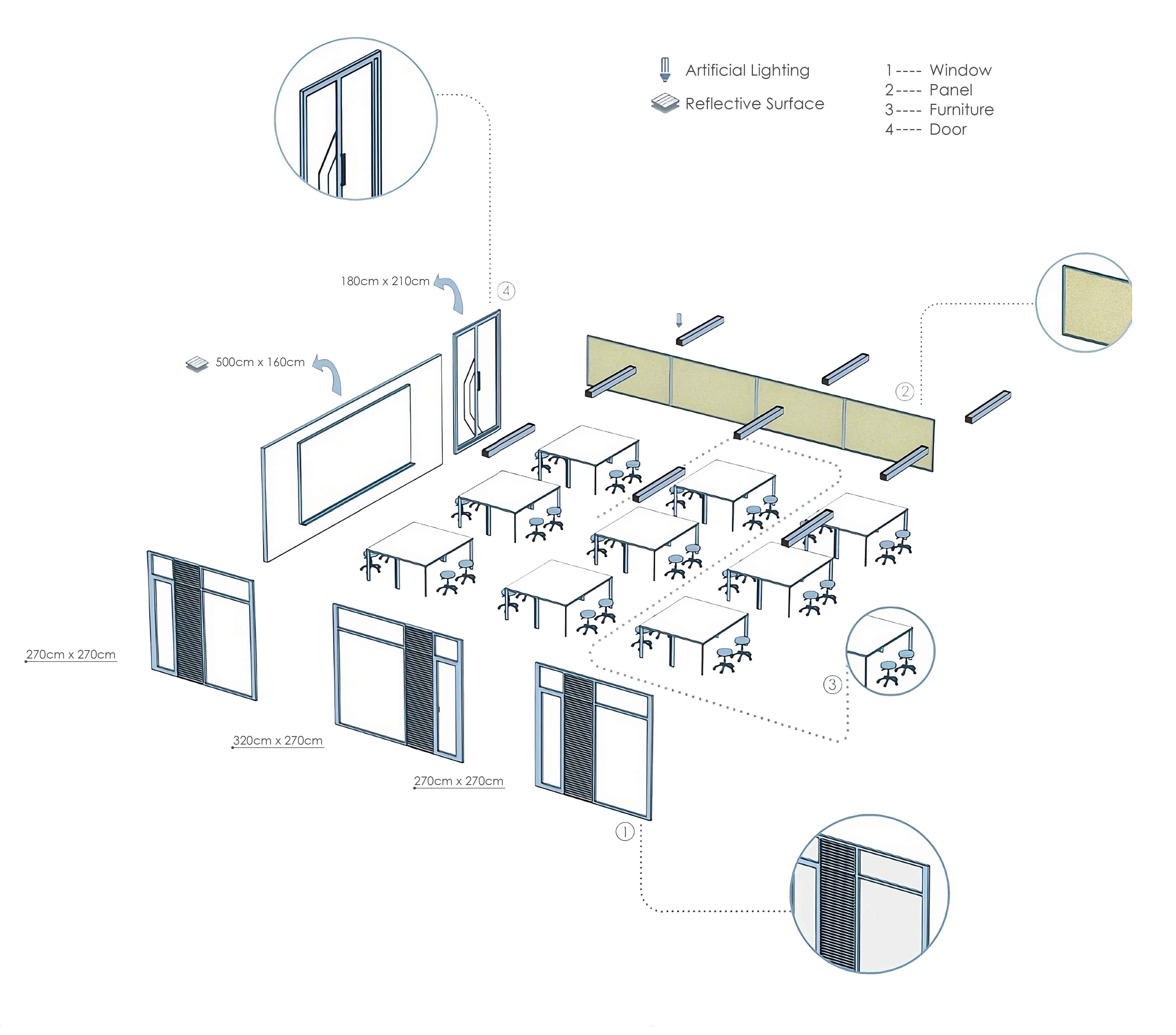
Fig. 1. Design studio where Di-ARCieling is applied to evaluate overall daylight performance.
Rather than directly claiming energy savings, this study focuses on improving the distribution of daylight in indoor environments, which can contribute to reducing the need for artificial lighting. In addition, this study can contribute to the development of innovative ceiling systems to enhance visual comfort and daylight efficiency in interior spatial design.
Simulation results showed that two-way circular surfaces distribute daylight more evenly than flat and one-way circular ceiling geometries and provide up to a 20% increase in illumination levels in the rear areas of the interior [12]. In addition, it has been determined that circular surfaces with an inclination of approximately are effective elements for directing daylight reflected from the façade elements to deeper areas of the interior [13].
Compared to previous flat and circular ceiling types, the newly developed Di-ARCieling system not only provides greater natural light gain but also improves light distribution within a space. Whereas flat surfaces reflect light only along their angle, curved surfaces distribute light in multiple directions, providing more uniform illumination throughout the space. In this context, the Di-ARCieling system can be considered a ceiling system that increases daylight integration and visual comfort in interior spaces.
In conclusion, the Di-ARCieling ceiling design, which offers an innovative solution in both aesthetic and functional terms, enables a more effective use of natural light in interior spaces, enhances energy savings and visual comfort, and contributes to indoor environmental quality. Integrating this system into the architectural design process could facilitate the creation of healthier and more productive spaces for students and academic staff, particularly in educational buildings.
As illustrated in Fig. 2, this dual circular structure increases daylight integration into deeper areas by varying the reflection angle of the light and aims to achieve balanced illumination throughout the space, rather than concentrating light near the windows [12,13]. This approach allows the curved surfaces to serve not only an aesthetic function but also a functional role as passive lighting devices. Simulations have shown that this dual-circular surface design provides higher illumination levels and a more uniform lux distribution throughout the interior space than a single circular ceiling design [12].
Figure 2
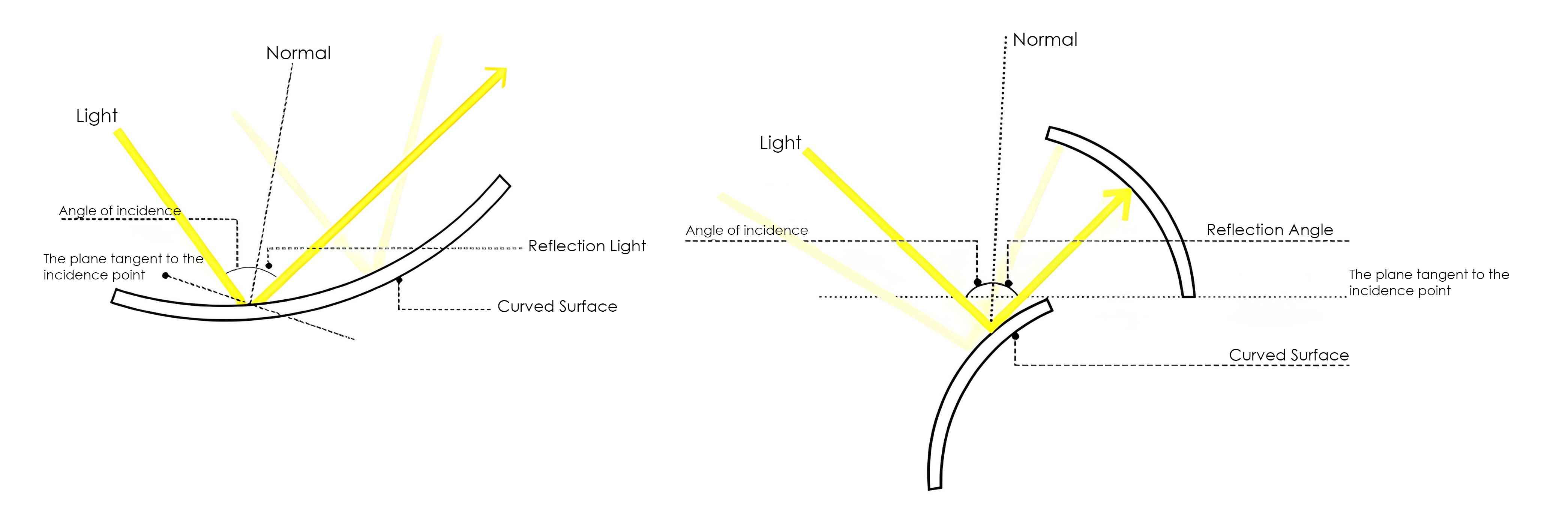
Fig. 2. Design studio where Di-ARCieling is applied to evaluate overall daylight performance.
2. Methodology
As previously noted, the daylight performances of different ceiling geometries were comparatively analyzed. Three ceiling configurations were considered in the analysis: a flat ceiling (reference case), a single circular ceiling system, and the Di-ARCieling ceiling system consisting of two-way circular surfaces. This system reflects incoming daylight at various angles, preventing light from being concentrated solely near windows and providing balanced illumination throughout the space [12,13].
Daylight performance was evaluated for each ceiling type through simulation analyses conducted on specific dates and at different times of the day. The illuminance (lx) values obtained from the simulations were used as base indicators to compare the daylight distribution within the interior space. The simulation results obtained for different ceiling types were compared to evaluate daylight integration and distribution in the interior space. The methodological process followed in this study is summarized in Fig. 3.
Figure 3
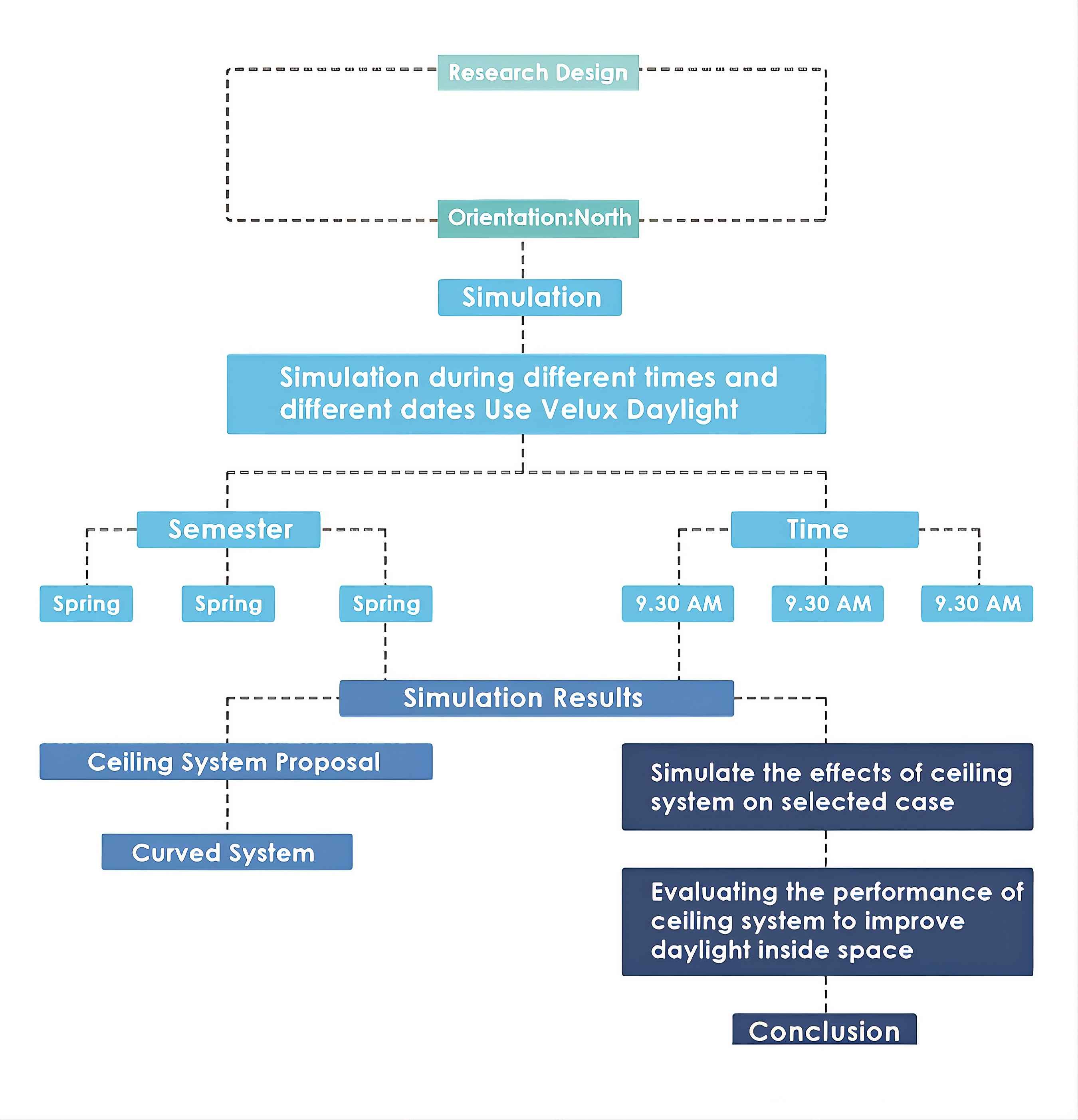
Fig. 3. Research framework illustrating the sequence of study steps.
The study addresses the following research questions:
- How does the circular ceiling system enhance daylight integration in to an interior space?
- How do two-way circular ceiling systems increase the integration and spatial distribution of daylight?
- How does the Di-ARCieling ceiling system affect the distribution of daylight and illumination levels in the interior compared with those of flat and single-directional circular ceiling systems?
2.1. Research environment
The design studio investigated receives daylight through three windows on its northern façade. One of these windows measures 270 cm × 325 cm, while the other two measure 330 cm × 325 cm.
The north orientation minimizes direct sunlight throughout the day, providing relatively balanced and stable daylight conditions in the interior space [11]. However, this orientation may limit the penetration of daylight into deeper areas, resulting in lower illumination levels in the rear parts of the studio [11-14].
The studio is equipped with movable tables and stools to support students' hands-on work, such as drawing, sketching, and model making. The floor surface is covered with light gray microconcrete, and the walls and ceiling are finished with white plaster to enhance daylight reflectivity. Surface reflectivity plays an important role in determining the redistribution of daylight in interior spaces [15]. Access to the space is provided through a standard door measuring 180 cm × 210 cm. These physical and spatial characteristics were used as input parameters for the simulation model, enabling a comparative evaluation of the daylight performance of different ceiling geometries.
2.2. Simulation methodology and analysis parameters
The Di-ARCieling ceiling system consists of circular surfaces with two different inclination angles arranged sequentially within a single integrated system extending throughout the studio space. The primary purpose of this versatile circular ceiling configuration is to redirect incoming daylight to different areas of the space. Owing to this approach, daylight can be distributed more evenly within a studio environment, particularly in deeper areas away from façade openings [12,13].
In the simulation environment, window sizes, surface reflectance values (values determined for floor, wall, and ceiling surfaces), space dimensions, and movable furniture placement were kept constant.
These parameters were defined as constant variables within the simulation model to isolate the effect of ceiling geometry on daylight performance. The comparative analysis, conducted under the same environmental conditions for all scenarios, focused on evaluating the impact of different ceiling geometries on interior daylight distribution. Accordingly, the potential of the proposed Di-ARCieling system for redistributing daylight was assessed by comparing its performance with that of an existing flat-ceiling configuration.
Table 1 shows the illuminance (lx) values obtained under three different ceiling configurations for the studio space: the existing flat ceiling, a one-way circular ceiling, and the proposed two-way curved ceiling (Di-ARCieling) system.
The analyses, conducted as part of simulations on the 21st of each month at 09:30, 12:30, and 15:30, revealed seasonal variations in daylight integration within the interior space. These values provide a comparative dataset for evaluating the effects of different ceiling types on the integration and distribution of daylight within the studio environment.
Figure 4 shows the average illuminance (lx) values of daylight measured monthly in the existing studio environment at three different times: morning (09:30), noon (12:30), and afternoon (15:30). The graph shows the seasonal and daily variations in indoor daylight access throughout the year. The illuminance levels were generally higher in the summer months (June and July) and lower in the winter months (December and January). Furthermore, the highest illuminance levels were generally recorded at noon (12:30), whereas lower values were recorded in the morning and afternoon. These results revealed the basic daylight conditions of the existing studio environment and provided a reference dataset for evaluating the performance of the alternative ceiling configurations examined in this study.
Figure 4
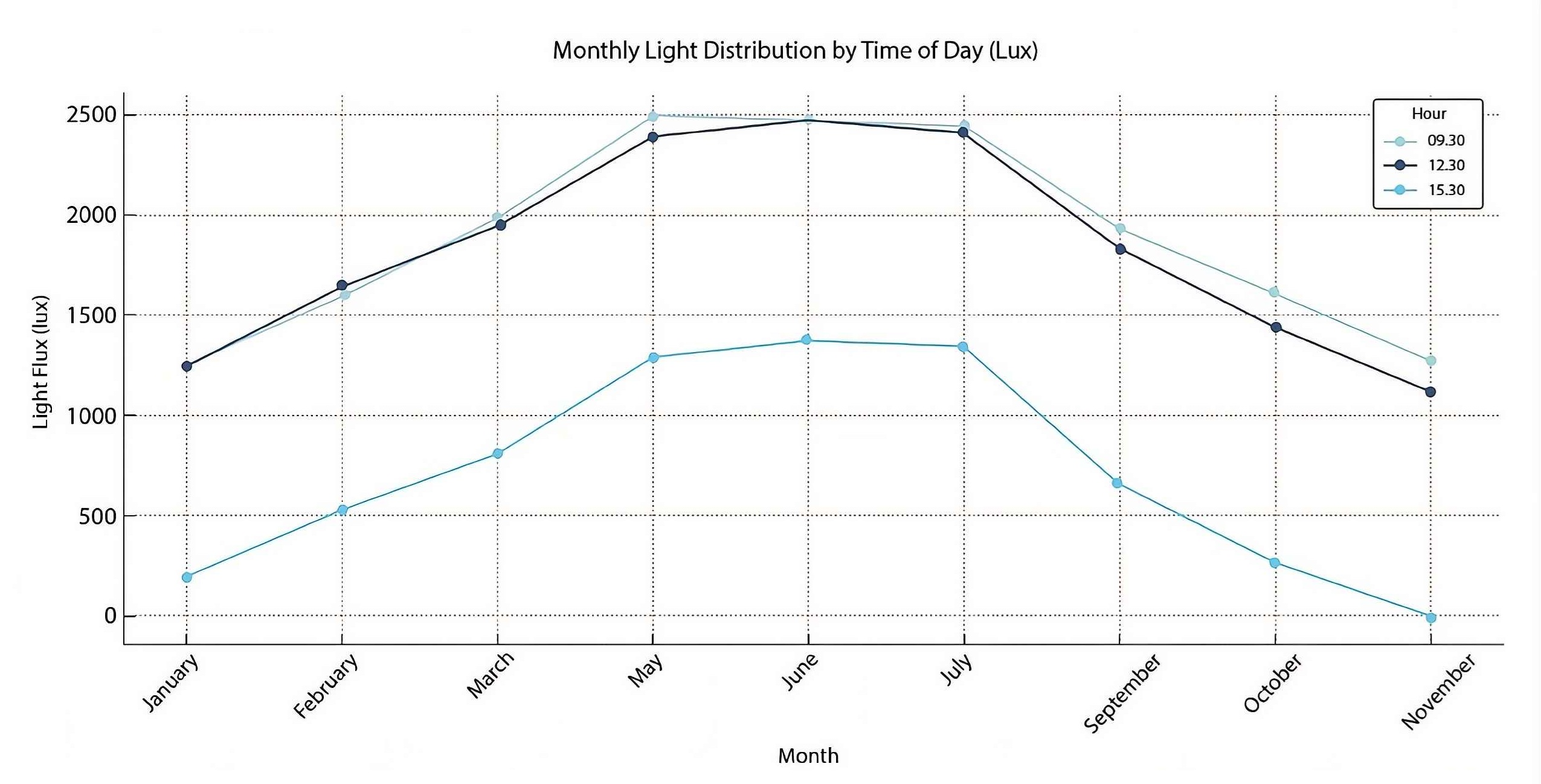
Fig. 4. Monthly daylight distribution at different times of day.
2.3. Simulation setup
As shown in Figure 5, a controlled simulation environment was created to systematically analyze the daylight performance of the proposed Di-ARCieling ceiling system. The simulation process began with the digital modeling of the physical and spatial characteristics of the selected case study; this space was the design studio of the Faculty of Architecture and Design at the TOBB University of Economics and Technology (TOBB ETU). During the modeling phase, geometric parameters such as studio floor plan layout, section dimensions, window sizes, and window locations were defined to ensure accurate representation of the existing space.
Figure 5
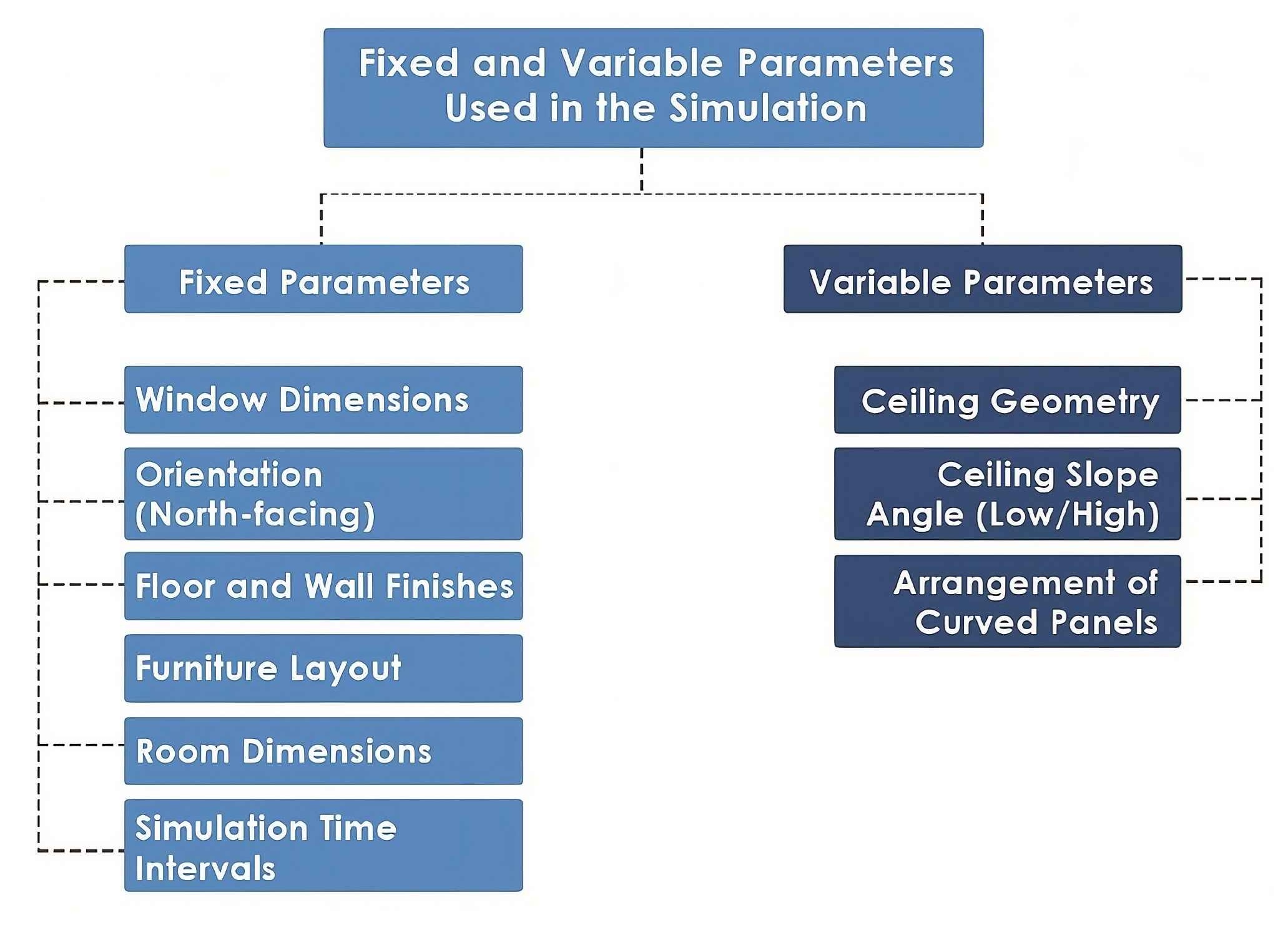
Fig. 5. Fixed and variable parameters used in the simulation.
The reflection values of the surface materials used in the simulation model are critical for obtaining realistic daylight simulation results [15]. Accordingly, white plaster reflection values were assigned to the wall and ceiling surfaces, and light gray microconcrete reflection values were used for the floor surface. As the ceiling surface geometry constituted the primary variable in this study, all geometric and optical parameters were kept constant throughout the simulation process.
Analyses were performed using VELUX Daylight Visualizer simulation software, which is widely used to evaluate daylight performance in architectural research [16]. Simulations were performed for three different time periods to represent seasonal variations in daylight conditions throughout the year: 09:30, 12:30, and 15:30. The 21st day of each month was also used as a reference. In addition, the dates June 21 (summer solstice) and December 21 (winter solstice) were analyzed to represent the most extreme daylight conditions within the annual cycle [17].
The illuminance level (lx) and daylight factor (DF) values obtained from the simulations were used as key indicators to compare the daylight performance of the proposed Di-ARCieling system with that of the existing ceiling configuration. The overall simulation process and analysis steps followed in this study are summarized in the flowchart presented in Fig. 4. This diagram shows the methodological stages of the study and increases the transparency and reproducibility of the simulation process.
3. Results and discussion
Quantitative data obtained from simulation analyses revealed the daylight performance of three different ceiling types in the design studio of the Faculty of Architecture and Design at the TOBB University of Economics and Technology (TOBB ETU): the existing flat ceiling, a one-way circular ceiling, and the two-way Di-ARCieling ceiling system.
The analysis compared the indoor illuminance (lx) values for different times of the year and representative months.
The daylight performance of the studio with its current flat ceiling was used as a basic reference for comparing the ceiling systems. The simulation results showed that daylight entering through north-facing windows reaches deeper areas of the space to a limited extent as illustrated in Figs. 6 and 7. Consequently, the illumination levels in the areas deeper from the windows decrease [1-4]. The monthly and daily average light distributions (lx values) are presented in detail in Diagram 2 (monthly light distribution by hour of the day). Additional simulations were conducted to evaluate the daylight performance of the proposed Di-ARCieling ceiling system. Table 1 presents a comparison of the illumination level (lx) values measured at a representative point (or average measurement point) for three different ceiling configurations: the current flat ceiling, the single curved ceiling, and the proposed two-way Di-ARCieling ceiling system.
Figure 6
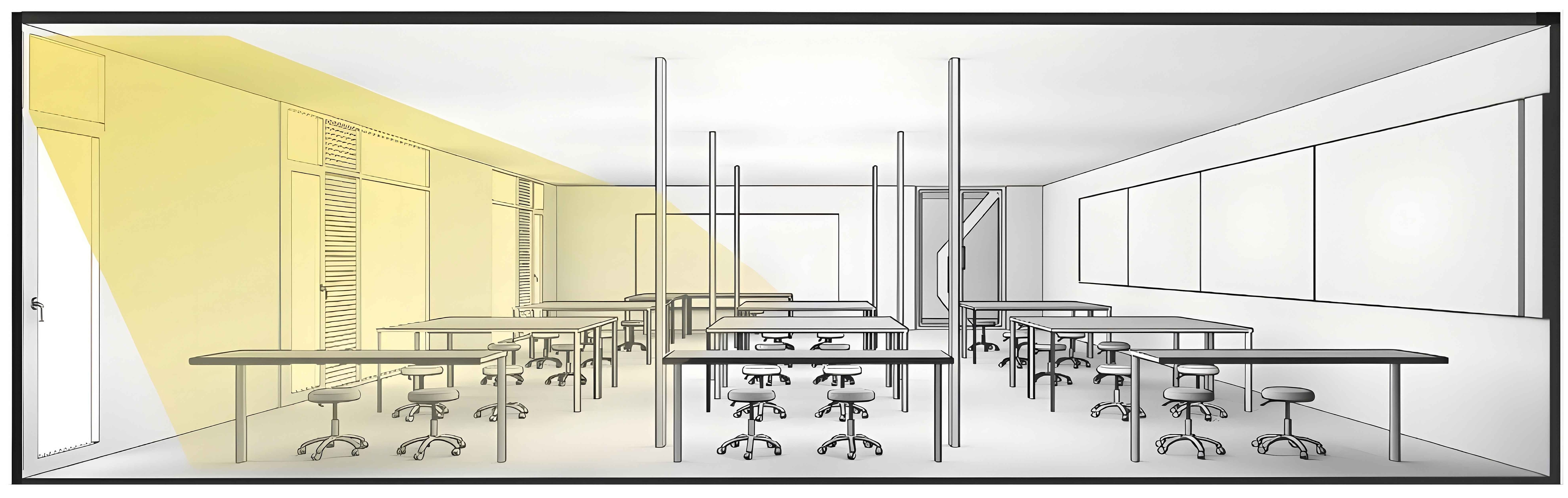
Fig. 6. Daylight inflow with the existing flat ceiling.
Figure 7
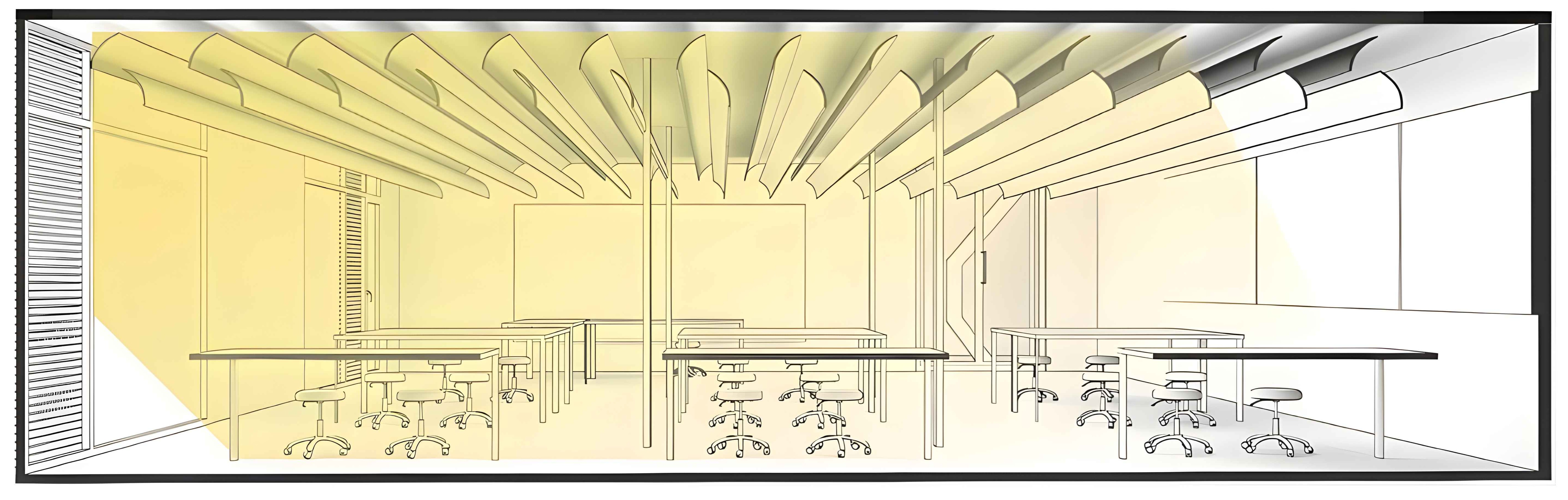
Fig. 7. Daylight inflow with the Di-ARCieling.
Table 1
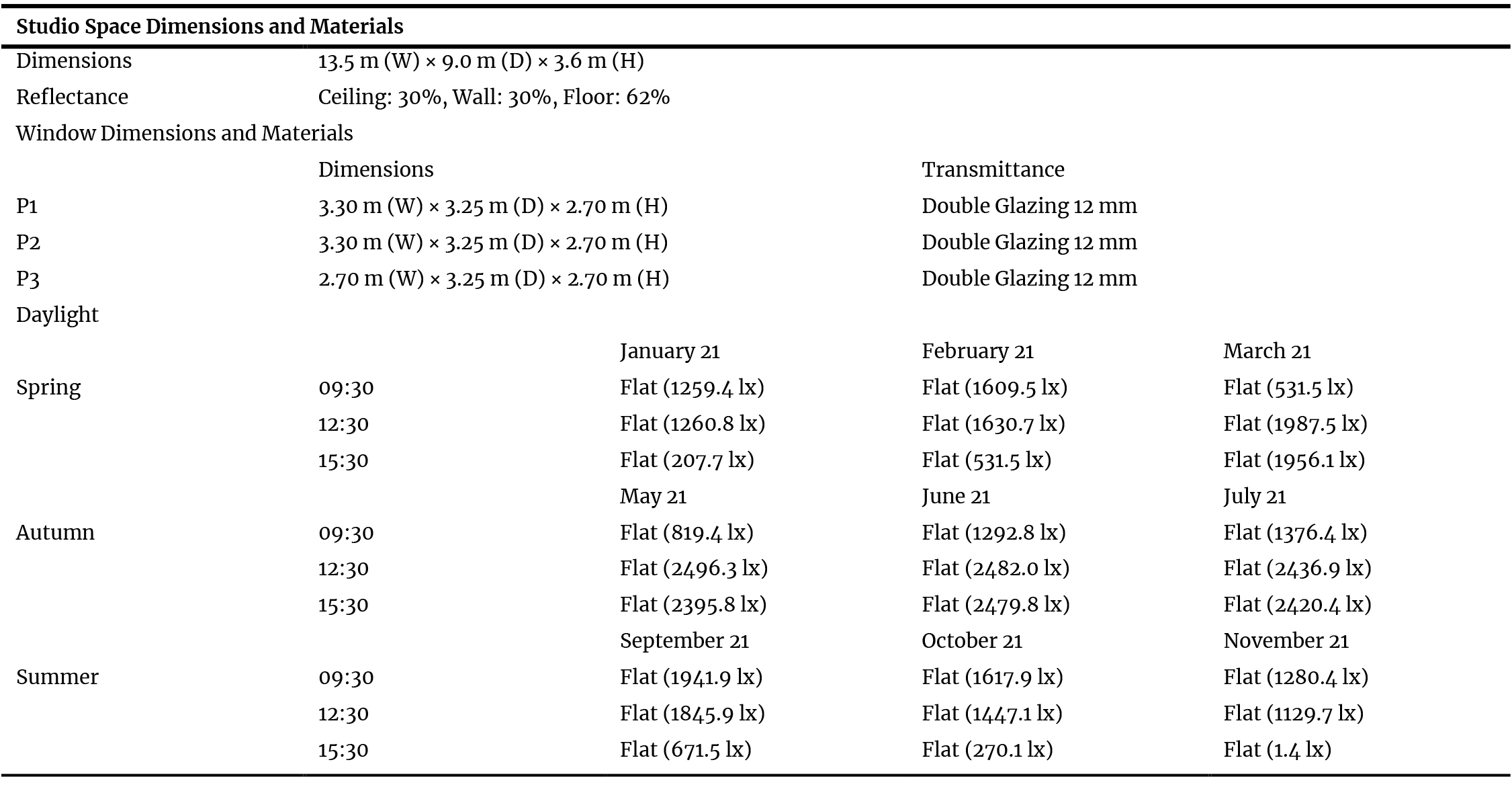
Table 1. Objectives and existing daylight level of the design studio, TOBB ETU.
As presented in Table 2, the simulation results indicate that the flat ceiling system provided significantly lower light levels, particularly during the morning and afternoon hours. Consequently, daylight penetration into deeper areas of the studio is limited, particularly during the winter months when sun angles are lower. For example, at 3:30 PM on January 21, the flat ceiling produced only 207.7 lx, the curved ceiling 1509.8 lx, and the Di-ARCieling system 2098.7 lx under the same conditions.
Table 2
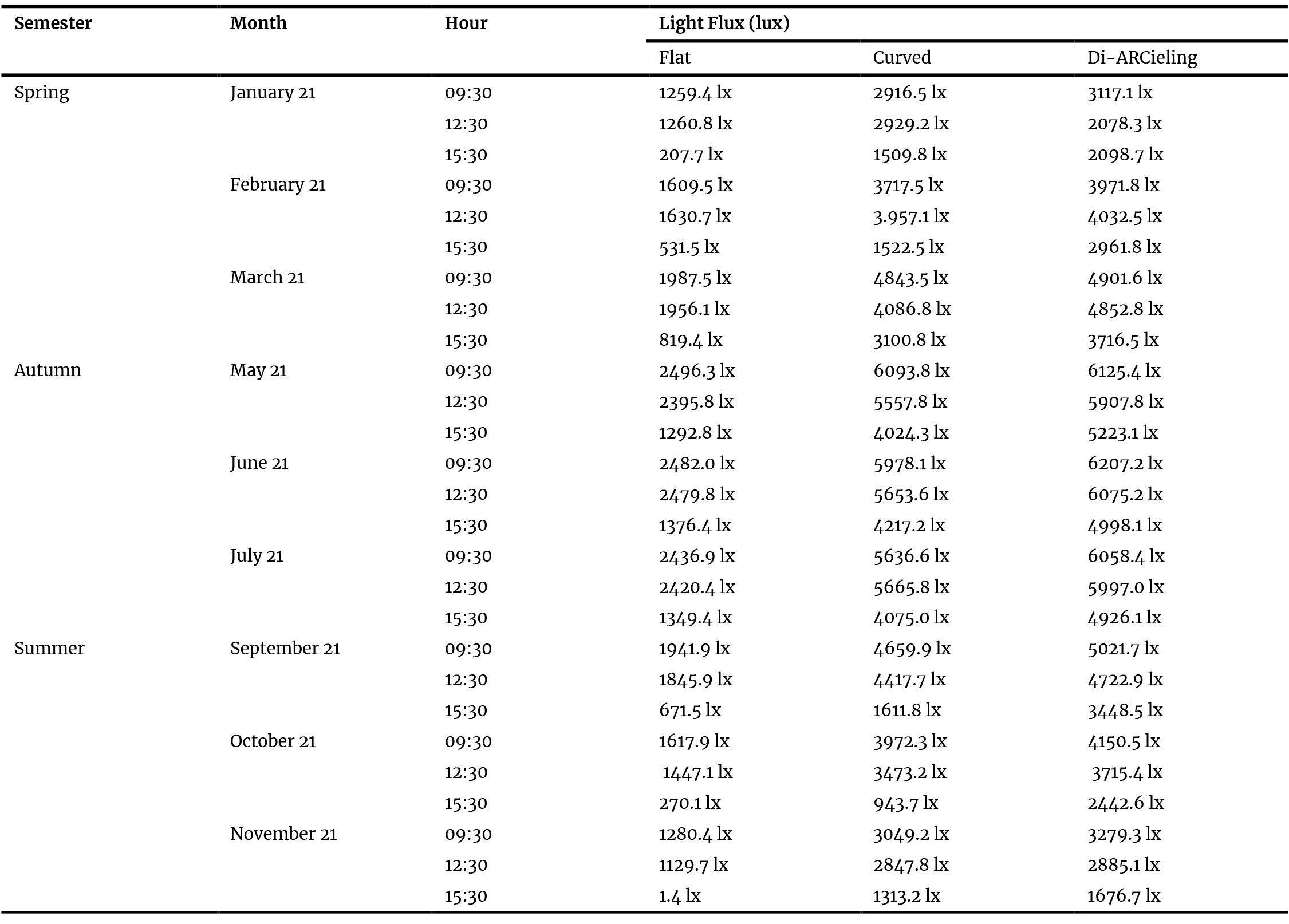
Table 2. Simulated daylight levels in the design studio, TOBB ETU.
This result shows that a flat ceiling, which reflects light primarily in a single direction, has a limited capacity to distribute daylight into deeper interior spaces.
The single circular ceiling system provided significantly higher illuminance (lx) values than the flat ceiling in different seasons and at different times of the day. The curved geometry allows for the redirection of incoming daylight at wider angles, thereby increasing daylight integration within the interior space. However, at certain times, particularly around midday, the Di-ARCieling system produced slightly higher illuminance values than the single curved ceiling system (e.g., at 12:30 on January 21—curved: 2929.2 lx, Di-ARCieling: 2078.3 lx). This difference may be related to the multidirectional reflection behavior of the Di-ARCieling configuration, which distributes daylight reflection throughout the interior rather than concentrating it in a single direction.
Overall, considering all simulation time periods, the Di-ARCieling system showed the highest average illumination values. The system provided stronger daylight integration, particularly during the morning and afternoon hours when daylight levels are relatively low. Data from November 21 at 3:30 PM demonstrated this: while the flat ceiling produced only 1.4 lx, the curved ceiling reached 1313.2 lx, and the Di-ARCieling configuration reached 1676.7 lx.
Similarly, under summer conditions, the Di-ARCieling configuration allowed daylight to penetrate deeper areas of the interior (July 21, 3:30 PM—flat: 1349.4 lx, curved: 4075.0 lx, Di-ARCieling: 4926.1 lx). The Di-ARCieling system provides both higher illumination levels and a more balanced distribution of daylight within the space. This system offers a promising passive daylight distribution strategy that can reduce reliance on artificial lighting during daylight hours.
As presented in Table 3, a visual analysis of the current flat ceiling configuration revealed significant limitations in terms of daylight access to the interior spaces. The relatively low illuminance (lx) values observed, particularly during the winter months and in the mornings and afternoons, indicate that the daylight entering through the façade openings is largely reflected in a single direction, thus concentrating near the window areas.
Table 3
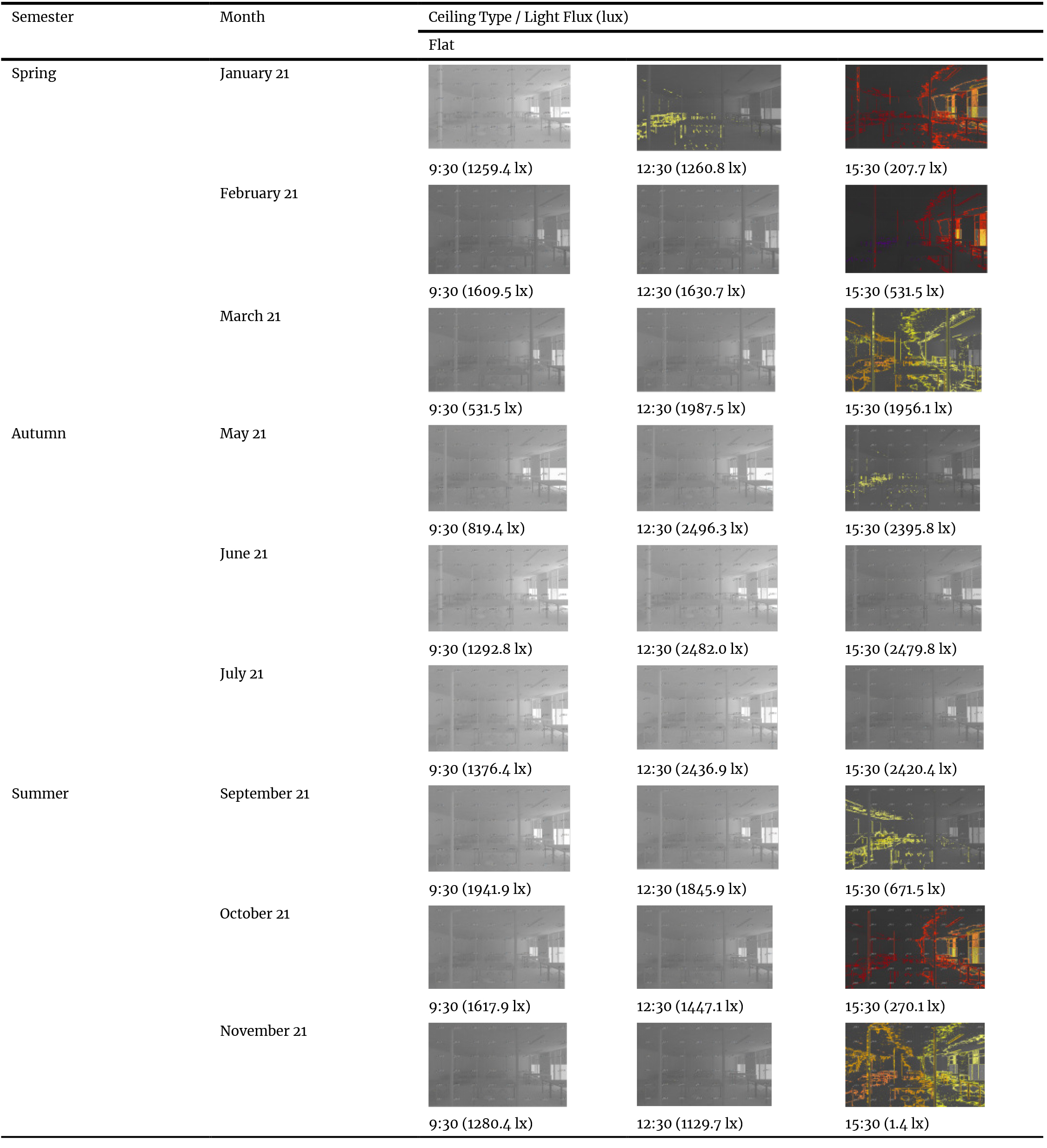
Table 3. Visualization of the lux values of the flat ceiling system.
Consequently, areas farther away from the façade receive significantly lower daylight levels.
A flat ceiling has limited capacity to distribute daylight into deeper areas of the interior space. These results suggest that ceiling geometry can play a critical role in daylight distribution and improve the balance of interior spatial lighting. Therefore, alternative ceiling configurations can direct daylight in multiple directions and improve daylight penetration.
As presented in Table 4, the illuminance (lx) values obtained from the single circular ceiling system showed a significant improvement compared with those of the flat ceiling. The curved surface geometry allows for the redirection of incoming daylight with wider reflection angles, thereby increasing daylight penetration within the interior space.
Table 4
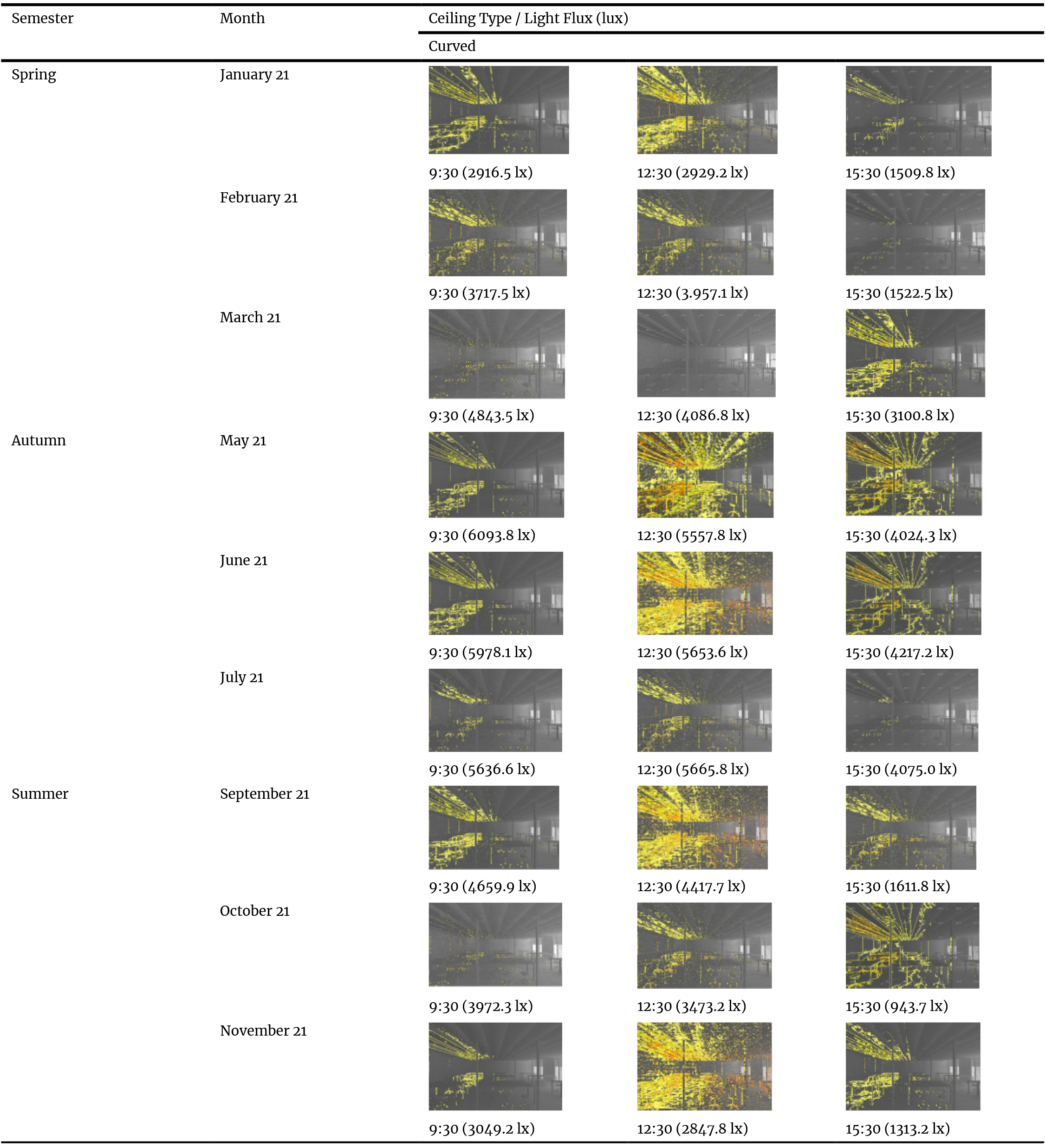
Table 4. Visualization of lux values for the curved ceiling system.
Consequently, higher illuminance levels are observed, particularly during midday hours and in spring and summer, when daylight access is higher. However, the simulation results showed that this ceiling configuration directed daylight to specific areas rather than distributing it evenly throughout the interior space. Because the circular surface predominantly reflects light in a unidirectional reflection pattern, some incoming daylight cannot be effectively redistributed across the entire ceiling surface. Consequently, although the single circular ceiling system increases daylight penetration compared to that of a flat ceiling, its capacity to provide a balanced daylight distribution throughout the space remains limited.
As presented in Table 5, visual analysis of the Di-ARCieling system showed that it consistently provided higher illuminance (lx) values in both the morning and afternoon throughout the year. The combination of two circular reflective surfaces positioned at different angles enables the redirection of incoming daylight in multiple directions within the interior space. Daylight is not only drawn into the space but is also redistributed along the ceiling surface, increasing daylight access, particularly in deep areas.
Table 5
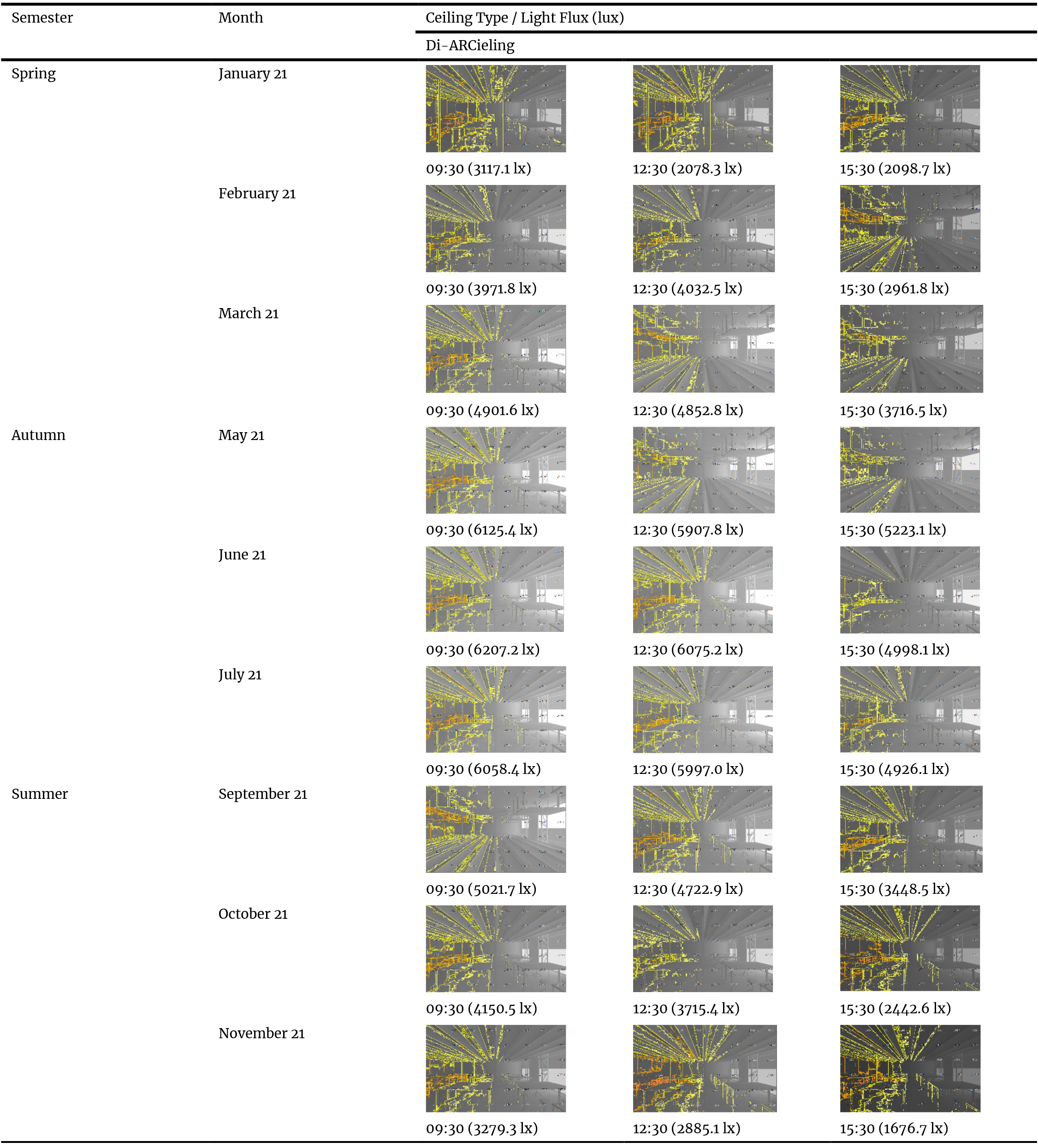
Table 5. Visualization of lux values for the Di-ARCieling system.
This multidirectional reflection helps maintain more balanced indoor lighting options during periods of limited daylight access (e.g., winter afternoons, at approximately 3:30 PM). The data presented in the table show that the Di-ARCieling system provides higher illumination levels while supporting a more balanced spatial distribution of daylight within the interior space. These findings suggest that the Di-ARCieling configuration can function as an effective ceiling-integrated daylight redistribution strategy.
Simulation analyses performed for the Di-ARCieling system demonstrated that ceiling geometry plays a significant role in the integration and redistribution of daylight in interior spaces. The findings confirm that traditional flat ceiling configurations have limited capacity to optimize daylight performance, particularly in north-facing and deep-plan interiors. Since such ceilings predominantly reflect light in a single direction, relatively low illuminance (lx) occurs across large sections of the interior, which can negatively affect visual conditions.
The simulation results for the single-directional circular ceiling system showed a significant improvement in illuminance (lx) values compared with those of the flat ceiling. This improvement stems from the curved geometry of the ceiling surface, which allows for the redirection of incoming daylight with wider reflection angles. This enables daylight to reach the central areas of the interior more effectively. However, the analyses showed that this configuration has some limitations in providing a balanced spatial distribution of daylight.
The Di-ARCieling system demonstrated superior overall daylighting performance compared with that of the other two ceiling types. Providing high and uniform illumination levels deep within the space, particularly during the morning and evening hours when daylight is low, and even during winter months, highlights the potential of this system for passive daylighting. Its dual-angled circular surfaces not only admit light, but also reflect it in multiple directions, producing a balanced light distribution throughout the space. These findings support Di-ARCieling's position as a sustainable solution.
However, note that the Di-ARCieling system may produce slightly lower illuminance values compared to those of the single-directional circular ceiling during some midday hours. This may be related to multidirectional reflection behavior, in which direct sunlight at a high angle during midday can create stronger local reflections. Meanwhile, the Di-ARCieling system distributes the incoming daylight over a wider spatial area. Consequently, the local maximum illuminance values may be lower; however, the overall daylight distribution becomes more balanced. This behavior can also contribute to reducing the potential visual discomfort that may arise from excessive local brightness or glare.
4. Conclusion
This study proposes “Di-ARCieling,” an innovative ceiling system developed for the design studio of the Faculty of Architecture and Design at TOBB ETU, with the aim of improving the integration and balanced distribution of daylight within interior spaces. The performance of this system was evaluated through simulation analyses and compared with that of traditional flat ceiling and single-directional circular ceiling systems. The primary findings of this study can be summarized as follows:
- The existing flat ceiling system showed significant limitations, particularly in terms of daylight reaching deeper areas of the interior space. During periods of daylight, access was limited.
- The single-directional circular ceiling provided an overall improvement in illuminance (lx) compared with that of the flat ceiling. However, its capacity to redistribute daylight throughout the interior space remained limited.
- Owing to its two-way circular ceiling with different inclination angles, the Di-ARCieling system redirects incoming daylight in multiple directions, thereby providing higher and more balanced illumination levels in the interior space. This is particularly important during the morning, afternoon, and winter, when daylight is limited.
- The ability of the Di-ARCieling system to direct daylight into deeper areas of the interior space indicates its potential for improving daylight accessibility and interior visual conditions. Although this study did not directly measure energy consumption quantitatively, the accessibility of daylight to deeper areas can contribute to reducing the reliance on artificial lighting during daylight hours.
- The findings highlight the potential role of ceiling geometry as an active architectural element in daylight redistribution and demonstrate that ceiling-integrated daylighting strategies can complement façade-based daylighting approaches in interior design.
Overall, the results demonstrate that the Di-ARCieling system is a promising ceiling-integrated daylight redistribution strategy for improving daylight performance in interior spaces. Such systems can provide significant advantages, particularly in deep-plan buildings, educational facilities, and spaces with limited façade openings.
Future studies should examine the performance of the Di-ARCieling system in greater detail under different climatic conditions and building orientations. Furthermore, the integration of the system with different window-to-wall ratios, its potential impact on building energy consumption through dynamic simulations, and cost-benefit analyses can also be investigated. In addition, future studies should evaluate user perception and visual comfort through user surveys and observational studies conducted in real-world settings.
Funding
This research received no external funding.
Author Contributions
M.Y. and E.Ş.; methodology, M.Y.; software, E.Ş.; validation, E.Ş.; formal analysis, M.Y.; investigation, E.Ş.; resources, E.Ş.; data curation, E.Ş.; writing—original draft preparation, M.Y.; writing—review and editing, E.Ş.; visualization, E.Ş.; supervision, M.Y.; project administration, E.Ş.; funding acquisition, M.Y. All authors have read and agreed to the published version of the manuscript.
Declaration of competing interest
The authors declare no conflicts of interest.
References
- Y. Al horr, M. Arif, M. Katafygiotou, A. Mazroei, A. Kaushik, E. Elsarrag, Impact of indoor environmental quality on occupant well-being and comfort: A review of the literature, International Journal of Sustainable Built Environment, 5 (2016) 1-11. https://doi.org/10.1016/j.ijsbe.2016.03.006
- M.-C. Dubois, Å. Blomsterberg, Energy saving potential and strategies for electric lighting in future North European, low energy office buildings: A literature review, Energy and Buildings, 43:10 (2011) 2572-2582. https://doi.org/10.1016/j.enbuild.2011.07.001
- M. G. Figueiro, R. Nagare, L. L. A. Price, Non-visual effects of light: How to use light to promote circadian entrainment and elicit alertness, Lighting Research & Technology, 50:1 (2018) 38-62. https://doi.org/10.1177/1477153517721598
- J. A. Veitch, Lighting for productive workplaces, in: D. J. Clements-Croome (Ed.), Creating the Productive Workplace: Places to Work Creatively, 3rd ed., Taylor & Francis: Oxford, UK, 2018, pp. 173-191. https://doi.org/10.4324/9781315658834-12
- W. H. Ko, M. G. Kent, S. Schiavon, B. Levitt, G. Betti, A window view quality assessment framework, LEUKOS, 18:3 (2022) 234-252. https://doi.org/10.1080/15502724.2021.1965889
- V. Costanzo, G. Evola, L. Marletta, A review of daylighting strategies in schools: State of the art and expected future trends, Buildings, 7:2 (2017) 41. https://doi.org/10.3390/buildings7020041
- Heschong Mahone Group, Windows and offices: A study of office worker performance and the indoor environment, California Energy Commission: California, USA, 2003.
- L. Heschong, Daylighting and human performance, ASHRAE Journal, 44:6 (2002) 65-67.
- P. J. Littlefair, Light shelf design: A review, Lighting Research & Technology, 33:3 (2001) 201-213. https://doi.org/10.1177/136578280103300114
- T. Cassidy, Environmental Psychology: Behaviour and Experience in Context, Psychology Press: Hove, New York, USA, 1997.
- K. P. Mansfield, Architectural lighting design: A research review over fifty years, Lighting Research & Technology, 50:4 (2018) 513-553. https://doi.org/10.1177/1477153517736803
- S. Lim, F. Bernard, Parametric Study of Bonded Connection in Composite Structures through the FE Modeling of Push-Out Test, in: Proceedings of the Twelfth East Asia-Pacific Conference on Structural Engineering and Construction, Hong Kong, China, 26-28 January 2011, pp. 1455-1462. https://doi.org/10.1016/j.proeng.2011.07.183
- J. Mardaljevic, Examples of climate-based daylight modelling, in: Proceedings of the CIBSE National Conference 2006: Engineering the Future, London, UK, 21-22 March 2006, pp. 1-11.
- A. A. Freewan, Maximizing the performance of laser cut panel by interaction of ceiling geometries and different aspect ratio, Journal of Daylighting, 1:4 (2014) 29-35. https://doi.org/10.15627/jd.2014.4
- N. Ruck, Ø. Aschehoug, S. Aydinli, J. Christoffersen, G. Courret, I. Edmonds, R. Jakobiak, M. Kischkoweit-Lopin, M. Klinger, E. Lee, L. Michel, J.-L. Scartezzini, S. Selkowitz, Daylight in Buildings: A Source Book on Daylighting Systems and Components, International Energy Agency (IEA): Berkeley, CA, USA, 2000.
- C. F. Reinhart, Daylighting Handbook I: Fundamentals, Designing with the Sun, Christoph Reinhart: Cambridge, MA, USA, 2014.
- P. J. Littlefair, Predicting hourly internal daylight illuminances for dynamic building energy modelling, Building Research Establishment: Garston, Watford, UK, 1989.
2383-8701/© 2026 The Author(s). Published by solarlits.com. This is an open access article distributed under the terms and conditions of the Creative Commons Attribution 4.0 License.